
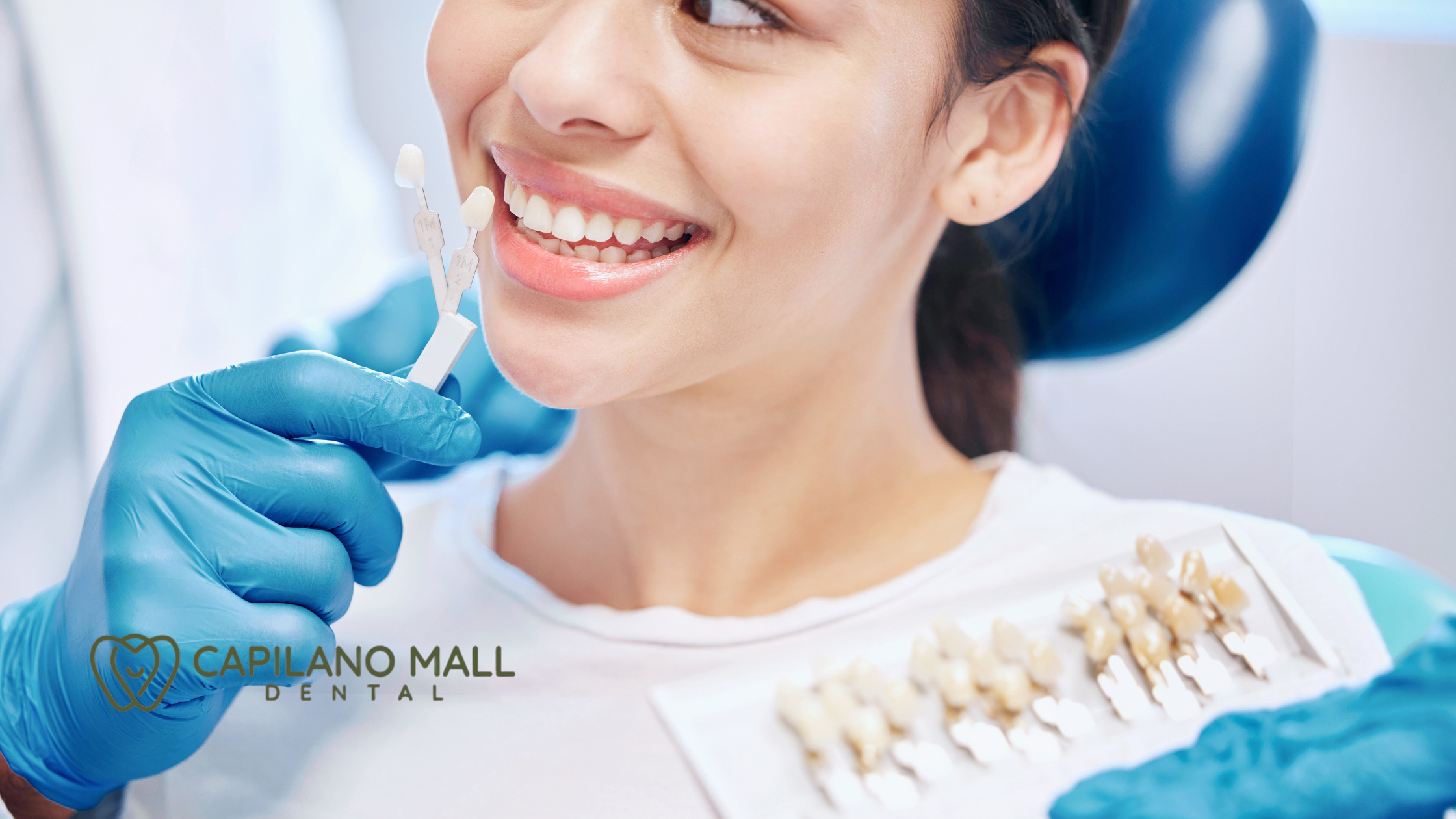
You may be wondering when it’s time to replace your dental crown. Signs like discomfort, visible wear, or changes in appearance can indicate it’s time for action.
Your crown plays a vital role in protecting your tooth, so recognizing these signs early can help prevent more serious issues, such as tooth decay or infection. Additionally, noticing any sensitivity or changes in your bite can also suggest a need for replacement.
By staying vigilant, you can ensure your dental health remains in optimal condition.
Key Takeaways:
- Discomfort or pain in the crowned tooth can indicate that the crown is no longer fitting properly or has become damaged.
- Visible signs such as chips, cracks, or discoloration on the crown suggest that it may need to be replaced to maintain dental health.
- Increased sensitivity to hot or cold temperatures might signify that the crown is compromised, requiring evaluation by a dentist.
Common Signs of Crown Wear
Before you overlook your dental crown’s health, it’s crucial to recognize the common signs of wear. Regularly inspecting your crown for any changes can prevent more severe dental issues in the future.
Being aware of these indicators allows you to seek professional advice promptly, ensuring your smile remains functional and attractive.
Visible Damage
One of the first signs that your dental crown may need replacing is visible damage. Look for cracks, chips, or any noticeable wear on your crown’s surface. Such imperfections can compromise the protection your crown provides and may lead to further dental complications.
“Even a small crack in your crown can act as a gateway for bacteria, increasing the risk of decay or infection underneath. Addressing damage early can save your natural tooth and prevent further dental work.” – Capilano Mall Dental
Discoloration
Against the natural color of your teeth, your dental crown may start to appear discolored over time. This change is usually aesthetic, but in some cases, discoloration around the edges of the crown could signal decay beneath or a poor seal, which might warrant replacement.
The discoloration of your dental crown can manifest as stains or an overall dull appearance that diverges from your natural tooth color. This issue often arises from factors like poor oral hygiene, dietary habits, or the natural aging process.
You should note that a noticeably discolored crown may not maintain its integrity in protecting your underlying tooth, leading to further complications. If you observe significant changes in color, consult your dentist for an assessment, as this can often indicate that your crown requires replacement to restore both appearance and functionality.
Functional Issues with Your Crown
While dental crowns are designed to provide protection and restore function, they can sometimes develop issues over time. If you’re experiencing functional problems, such as difficulty chewing or heightened sensitivity, it might be a sign that your crown needs replacing.
Being attentive to these signs can offer you a way to maintain your oral health and ensure your dental work functions as intended.
Difficulty Chewing
After noticing discomfort or strain while chewing, it’s important to evaluate your dental crown. If the crown doesn’t fit properly, it can hinder your ability to chew comfortably, leading to potential complications.
You may experience pain or the sensation of your other teeth shifting as they compensate for the misaligned crown.
Sensitivity to Temperature
Chewing could become problematic if you also have heightened sensitivity to temperature changes. This sensitivity may manifest as sharp pains when consuming hot or cold foods and beverages, indicating that your crown may not be providing adequate insulation for your tooth.
| Symptom | Possible Cause |
| Sharp pain when consuming hot food | Loose or damaged crown |
| Discomfort with cold beverages | Gum recession, exposed dentin, or poor seal |
| Increased discomfort with sweet foods | Possible decay beneath crown or dentin exposure |
The increased sensitivity to temperature can be an indication that your crown’s seal has weakened or that the underlying tooth may be exposed. If your sensitivity continues, you may be at risk for more dental decay or crown issues.
Seeking an evaluation from your dentist is vital, as they can determine if a replacement is necessary to restore comfort and protect your oral health.
Age and Longevity of Dental Crowns
Now, understanding the age and longevity of your dental crowns is important for maintaining optimal oral health. As with all dental work, crowns can wear over time, and recognizing the signs that indicate a replacement may be necessary can save you from potential complications down the road.
“Think of your dental crown as an investment in your smile—routine care and monitoring its condition can help ensure it stays functional for as long as possible.” – Capilano Mall Dental
Expected Lifespan
Dental crowns typically last between 5 and 15 years, but high-quality materials like gold or advanced ceramics can last over 20 years with excellent care and regular dental checkups. Factors such as grinding your teeth or having a high acidity level in your mouth can also influence their durability.
Factors Affecting Longevity
Several key elements can impact the longevity of your dental crowns:
- Quality of Material
- Oral Hygiene Habits
- Underlying Dental Issues
- Wear and Tear from Chewing
This understanding can help you take the necessary steps to prolong the life of your crowns.
Considering additional factors affecting longevity is important for ensuring your dental crowns can withstand the test of time. Your daily habits play a significant role in how long your crowns last, from the foods you consume to whether you engage in teeth grinding.
If you have underlying dental issues or improper alignment, these can exacerbate wear. Regular check-ups with your dentist are key for maintaining the health of your crowns, allowing for early detection of any problems. This proactive approach will secure the highest value from your dental investment.
Professional Evaluation
Keep in mind that a professional evaluation is necessary to determine if your crown needs replacement. Regular visits to your dentist will ensure that any potential issues are caught early.
Your dentist will assess the condition of your crown and surrounding teeth, providing you with expert recommendations based on their findings.
Regular Dental Checkups
At regular dental checkups, your dentist performs comprehensive examinations to monitor your oral health, including the condition of your dental crowns. These appointments give you the opportunity to receive personalized advice and timely interventions, ensuring your crown remains functional and aesthetically pleasing.
When to Consult a Dentist
When you notice any changes in your crown’s appearance, comfort, or function, it’s imperative to consult your dentist. Delaying a visit could lead to more significant issues, including infections or damage to the underlying tooth.
You should seek advice if you experience prolonged pain, sensitivity, or visible wear and tear on your crown.
Hence, addressing your concerns promptly is vital for maintaining your overall dental health. If your crown feels loose or if you detect any gaps, don’t hesitate to make an appointment.
These issues can lead to more serious dental problems if left untreated, emphasizing the importance of professional evaluation and timely intervention for your well-being.
Replacement Options
Not all crowns are created equal, and when considering your replacement options, it’s important to understand the various types available.
Types of Crowns
Types of crowns vary in material and purpose, which can impact both aesthetics and functionality. Here’s a quick breakdown of your options:
| Material | Description |
| Porcelain | Natural appearance, ideal for front teeth. |
| Metal | Durable, suitable for back teeth, minimal wear on other teeth. |
| Resin | Cost-effective, but less durable than porcelain. |
| Ceramic | Great aesthetic match, ideal for sensitive gums. |
After considering these options, you can make a decision that best suits your dental needs.
Process of Replacement
The process of replacing your dental crown typically involves a few crucial steps. Your dentist will first assess the condition of your existing crown, followed by the necessary preparatory work.
Plus, you will have a treatment plan that includes taking impressions of your teeth for fitting, using temporary crowns while the permanent one is being created in a lab, and finally the installation of the new crown. Throughout this process, it’s important to communicate with your dentist about any discomfort, as timely interventions can prevent potential complications like infection or damage to underlying structures.
Preventative Measures
Despite having a dental crown, it’s necessary to implement preventative measures to prolong its lifespan. Regular dental check-ups and timely adjustments can help you avoid complications.
Additionally, being aware of behaviors that may lead to damage, such as teeth grinding or chewing hard objects, can assist in maintaining the integrity of your crown for years.
Proper Oral Hygiene
Any effective dental care routine involves proper oral hygiene. Brushing your teeth at least twice a day and flossing daily are vital practices that keep your gums and surrounding teeth healthy.
Additionally, using an antiseptic mouthwash can further reduce the risk of decay around your crown, ensuring it lasts longer.
“The edges of your dental crown, known as margins, are especially vulnerable to plaque buildup, which is why meticulous oral hygiene is key to preventing decay in these areas.” – Capilano Mall Dental
Lifestyle Choices
Choices you make in your daily life significantly affect the longevity of your dental crown. Avoiding habits like smoking and excessive alcohol consumption can help keep your gums and teeth healthy.
Furthermore, opting for a balanced diet rich in vitamins and minerals is beneficial for your overall oral health and may reduce the chances of crown damage.
Oral health is influenced by your lifestyle choices. Consuming a diet high in sugars can lead to tooth decay, affecting the stability of your crown.
Additionally, avoiding hard foods and teeth grinding will help protect your crown from unnecessary stress. Making informed decisions regarding your health and habits can significantly enhance your dental well-being, ensuring your crown remains intact and functional.
If you grind your teeth at night (bruxism), wearing a custom night guard can significantly reduce stress on your crowns.
Conclusion
With this in mind, recognizing the signs that your crown needs replacing is vital for maintaining your oral health. Look for indicators such as pain, discomfort, or visible damage to the crown.
If your bite changes or the crown is discolored, see your dentist. Being proactive about these signs will help ensure your dental work remains effective and your smile stays beautiful.
If you’re experiencing discomfort or visible damage or notice changes around your crown, don’t wait. The team at Capilano Mall Dental is here to help. Book an appointment today to have your crown assessed by our experienced dentists.Contact us now and take the first step toward restoring your smile.