
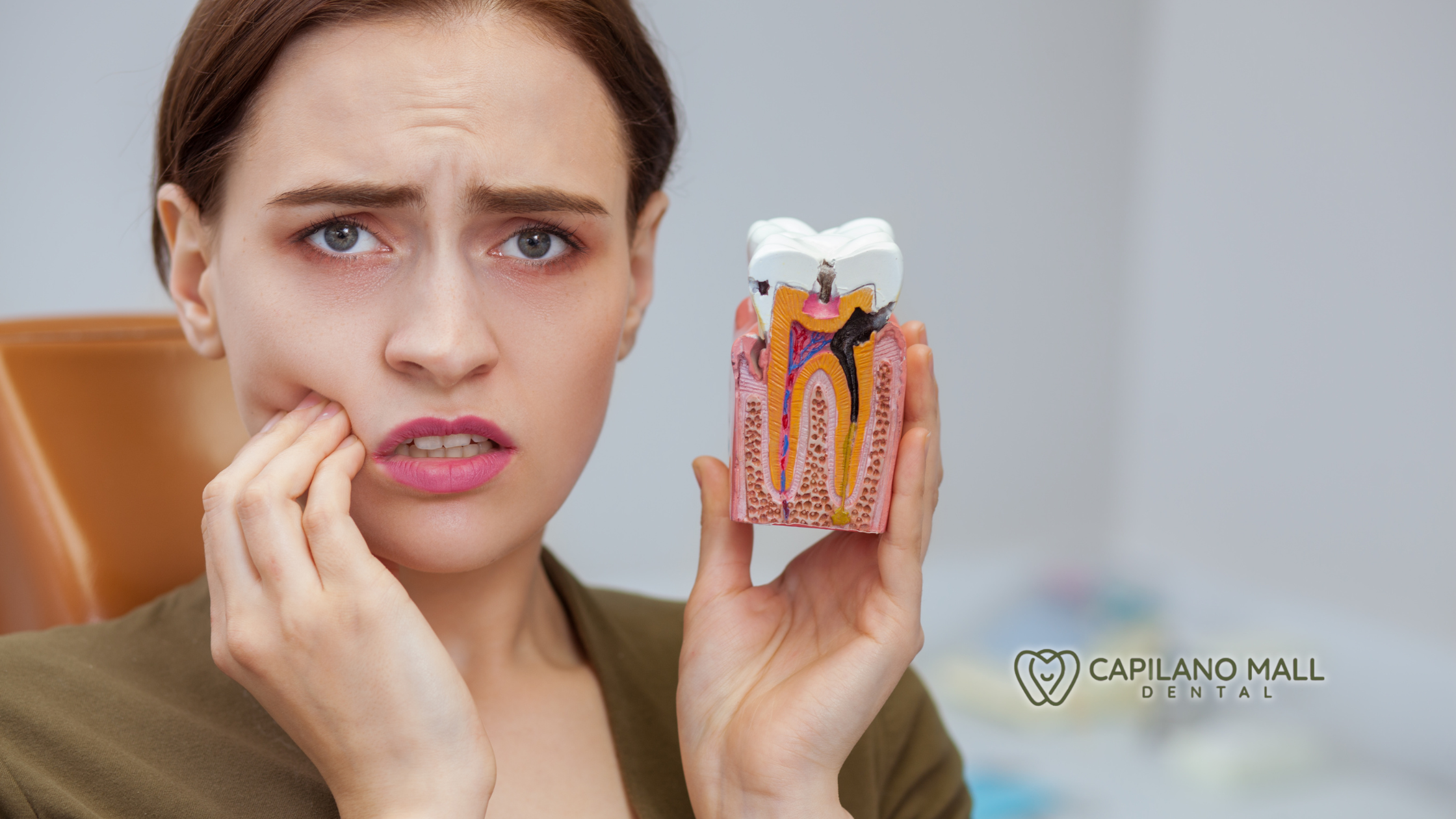
Cavities can be a concerning issue for your dental health, prompting questions about whether they can heal on their own. You may have heard various opinions on this topic, leaving you uncertain about the best course of action.
In this blog post, we’ll explore the science behind cavity formation and discuss whether self-healing is a possibility. Understanding the mechanisms at play will empower you to take control of your oral health and make informed decisions about your dental care.
Key Takeaways
- Early-stage cavities can sometimes be arrested with proper oral hygiene and fluoride use.
- Once decay progresses beyond enamel, professional treatment is necessary to prevent damage.
- Regular dental visits are essential for early detection and management of cavities.
The Controversial Healing Debate
The discussion surrounding whether cavities can heal themselves is rife with differing opinions. Some dental professionals argue that early-stage decay can be reversed through proper oral hygiene and dietary changes, while others maintain that once a cavity has formed, it requires intervention.
This debate highlights the varying schools of thought in dental care and the complexities of tooth health, making it important to stay informed about the latest research and recommendations from professionals in the field.
The Role of Remineralization in Tooth Health
Remineralization plays a vital role in maintaining your tooth health, especially in the early stages of decay. Minerals such as calcium and phosphate, usually found in saliva, help to repair and strengthen enamel when cavities are just beginning to form.
You can support this natural process by incorporating fluoride, which enhances remineralization, and by maintaining a balanced diet low in sugar.
Dental Opinions: Are Cavities Truly Reversible?
Opinions among dental professionals regarding the reversibility of cavities vary considerably. Some experts point to cases where early decay has been reversed through lifestyle changes, including improved oral hygiene and dietary adjustments, suggesting that cavities can indeed be halted before they become significant issues.
However, those in favor of intervention argue that once the enamel is compromised, the damage is permanent and cannot heal without restorative treatments.
“While early-stage demineralization can often be reversed by remineralization strategies, it’s crucial to understand that once decay progresses beyond the enamel and into dentin, professional intervention is necessary to restore tooth structure.”
- Capilano Mall Dental Doctors in Edmonton, Alberta, Canada
Dentists who advocate for the reversal of early-stage cavities emphasize the importance of recognizing the disease at its first signs. For instance, studies have shown that implementing specific remineralizing treatments and using fluoride toothpaste can sometimes halt cavity progression.
However, once a cavity visibly penetrates the enamel and reaches the dentin, most dentists agree that professional intervention, such as fillings, becomes necessary to restore the tooth’s health and function. This nuanced perspective underscores the need for early detection and proactive dental care in maintaining your oral health.
Nutritional Impact on Cavity Development
Your diet plays a substantial role in the formation and potential healing of cavities. Foods rich in important nutrients can aid in the remineralization of enamel, while others can exacerbate decay.
A well-balanced diet ensures you provide your teeth with the necessary tools to combat cavity formation. Incorporating vitamins and minerals, particularly those that support oral health, can significantly impact the longevity and strength of your teeth.
The Calcium and Phosphate Connection
Calcium and phosphate are vital minerals that contribute to strong tooth enamel. These minerals work together in a process known as remineralization, which helps repair the early stages of tooth decay.
Increasing your intake of calcium-rich foods, such as dairy products and leafy greens, enhances your enamel’s ability to resist cavities, fostering a healthier mouth overall.
Sugar’s Role in Cavity Formation
Sugar is a primary food source for cavity-causing bacteria that thrive in your mouth. When you consume sugary foods and drinks, these bacteria produce acid as a byproduct of sugar metabolism.
This acid leads to demineralization of tooth enamel, creating an environment conducive to cavity development. Reducing your sugar intake, therefore, becomes a pivotal strategy in preventing tooth decay.
More than just a sweet indulgence, sugar’s pervasive presence in processed foods and beverages can substantially increase your risk for cavities. Data indicates that sugar consumption has risen dramatically over the past few decades, correlating with an uptick in dental issues.
When you indulge in sugary snacks, bacteria in your mouth feast on these sugars, producing acids that weaken enamel. These acids can begin to erode your teeth within minutes after consumption, emphasizing the importance of timing and frequency of sugar intake in your diet.
Choosing healthier snacks can drastically reduce the attack on your teeth.
Preventative Measures: Can You Avoid Cavities?
Adopting effective preventative measures can significantly reduce your risk of developing cavities. A balanced diet rich in vitamins and minerals, coupled with good oral hygiene habits, plays a vital role in maintaining dental health.
Limiting sugary snacks and beverages also contributes to your cavity-prevention strategy. Ultimately, making conscious choices about what you eat and how you care for your teeth can drastically improve your oral health.
Effective Oral Hygiene Practices
Daily brushing and flossing form the backbone of strong oral hygiene. By brushing at least twice a day with fluoride toothpaste and flossing regularly, you remove food particles and plaque that can lead to cavities.
Additionally, using an antimicrobial mouthwash can further reduce harmful bacteria in your mouth, making it a more hostile environment for cavity development.
The Impact of Regular Dental Check-Ups
You might underestimate the importance of regular dental check-ups, but they provide a comprehensive approach to cavity prevention. These visits allow your dentist to catch potential issues early, recommend tailored strategies, and provide professional cleaning to eliminate plaque and tartar buildup.
The American Dental Association suggests that adults visit the dentist at least twice a year to maintain optimal dental health. Regular assessments can help you stay on top of your oral hygiene and adjust habits as needed, ultimately saving you time and money by avoiding extensive treatments.
Innovative Treatments: What’s on the Horizon?
As dental technology advances, innovative treatments for cavities are emerging, offering more options for remineralization and cavity management. Researchers are exploring methods that can importantly ‘wake up’ your teeth’s natural healing ability, revolutionizing the way cavities are approached.
The use of silver diamine fluoride for cavity prevention and therapy is more well-known. Dental cavities are primarily treated with conventional techniques like crowns and fillings as well as preventative measures like practicing proper oral hygiene.
Revolutionary Dental Products for Remineralization
The market is buzzing with new dental products designed to enhance remineralization. Products using ingredients like calcium phosphates and fluoride in smarter formulations are becoming increasingly effective.
These innovative products can help restore lost minerals more efficiently, making it easier for you to prevent the progression of cavities. With advancements in delivery systems, such as teeth whitening strips infused with these minerals, attaching yourself to a preventative routine has never been easier.
Future Research Directions in Cavity Healing
Future research is poised to probe deeper into understanding the biological mechanisms underlying cavity healing. Studies may focus on identifying specific bacterial strains that could promote remineralization or exploring genetic factors affecting enamel strength.
You may soon see developments in gene therapy-based approaches or synthetic biomaterials that not only fill cavities but also stimulate natural tooth regeneration. This line of inquiry holds the potential to transform routine dental care practices into more proactive strategies for maintaining optimal oral health.
A Paradigm Shift in Dental Health Perspectives
As research continues to evolve, the traditional view of cavities as irreversible damage is being challenged. This shift emphasizes the body’s remarkable ability to heal itself through a balanced diet, proper oral hygiene, and a proactive approach to care.
More than just a focus on drilling and filling, modern dental practices advocate for understanding the biological processes behind tooth decay, leading to a dentist-patient partnership that prioritizes prevention and self-healing mechanisms.
Holistic Approaches to Maintaining Oral Health
Integrating holistic methods into your oral care routine can enhance not only your dental health but also your overall well-being. Emphasizing the importance of natural ingredients, necessary oils, and nutrition, these approaches can empower you to take charge of your oral hygiene.
Examples include using neem or tea tree oil for their antibacterial properties and increasing your intake of vitamin D and calcium to support enamel strength.
The Importance of Patient Education and Awareness
Patient education plays a vital role in fostering better dental health outcomes. Understanding the facts about oral care and cavity prevention equips you with the tools necessary to make informed decisions for your treatment.
Engaging in regular discussions with your dentist about your oral health journey not only clarifies misconceptions but also advances your proactive involvement in maintaining your smile.
Many patients underestimate the influence that knowledge has on prevention strategies and treatment options. By being aware of factors like the effects of sugary diets, proper brushing techniques, and the significance of regular checkups, you can drastically alter your cavity risk.
Studies suggest that informed patients are more likely to adhere to preventive measures, leading to lower rates of dental decay and overall healthier outcomes. Taking initiative in your education will empower you to implement positive changes that promote long-term dental health.
Summing up
The answer to whether cavities can heal themselves lies in early intervention and good oral hygiene. You must maintain a consistent brushing and flossing routine, along with regular dental check-ups, to promote remineralization and potentially reverse early-stage decay.
However, once a cavity progresses beyond enamel damage, it cannot heal on its own and requires professional treatment. By staying proactive about your dental care, you can significantly reduce the risk of cavities and maintain your oral health.
Don’t wait for cavities to worsen—early detection is key to preserving your natural teeth through remineralization and proper care. Schedule your preventive dental check-up at Capilano Mall Dental in Edmonton, Alberta, Canada today to catch potential issues before they require extensive treatment. Our expert team will assess your oral health and create a personalized prevention plan to keep your smile healthy.