
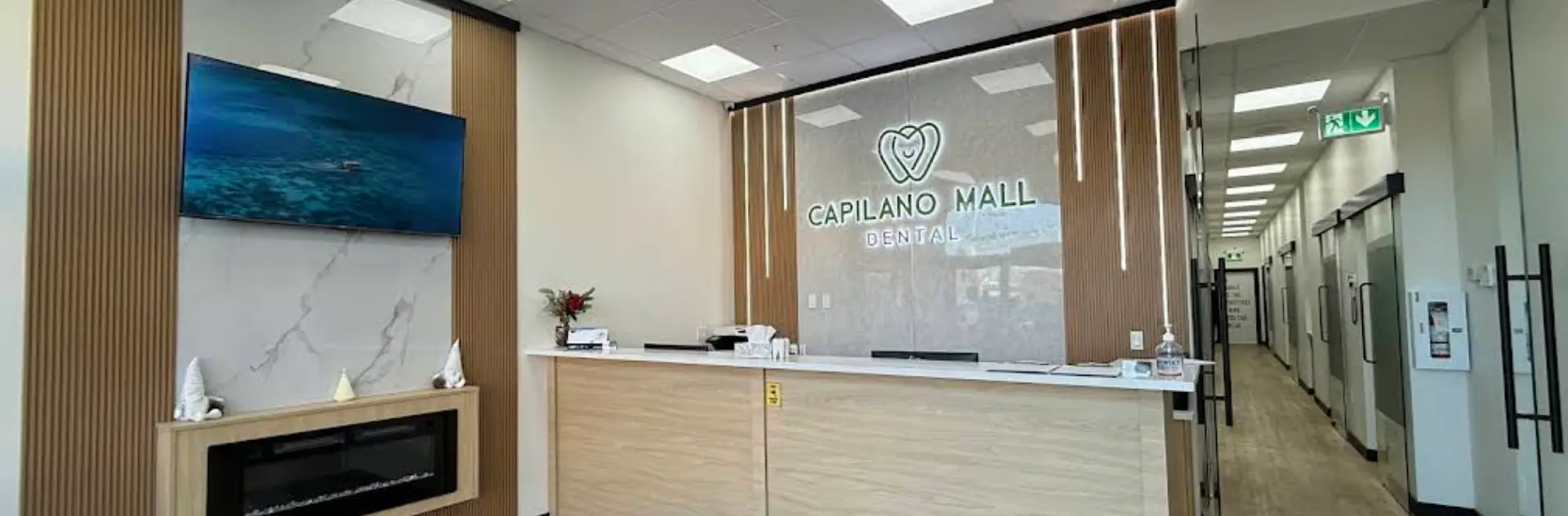
A night guard is an oral appliance a dentist may discuss for some tooth-grinding or jaw concerns. Assessment is important because symptoms can have different causes and a guard is not suitable for every person. Capilano Mall Dental lists night guards among its Edmonton services.
Why a dentist may discuss a night guard
The Canadian Dental Association notes that a dentist may recommend a mouth guard for some people who grind their teeth during sleep. A guard can create a barrier between upper and lower teeth. It does not identify or address every possible cause of grinding, jaw pain or headaches. A dental assessment helps determine what should be discussed.
Fit, type and care
Night guards and occlusal splints can vary in design and fit. Ask whether the appliance is made for your mouth, how to wear and clean it, and when the fit should be reviewed. Do not use another person’s appliance or change a fitted guard yourself. If it causes discomfort or no longer fits, contact the dental provider for advice.
Questions to ask about a night guard
Describe the symptoms you have noticed and ask what the assessment can determine. Discuss the purpose, expected use, alternatives and follow-up for the appliance. A night guard may be one part of a broader plan; it should not be described as a guaranteed cure for grinding or jaw symptoms.
Common questions about night guards
Why might a dentist discuss a night guard?
A dentist may discuss a guard as one option for some people who grind their teeth or have certain jaw concerns. Suitability depends on assessment.
Does a night guard stop every cause of teeth grinding?
No. Grinding can have different contributing factors. A dentist can assess the concern and explain whether a guard or another option may be relevant.
What if a night guard feels uncomfortable?
Contact the dental provider who assessed or supplied it. Do not force, reshape or continue using an appliance that does not fit as expected without advice.