
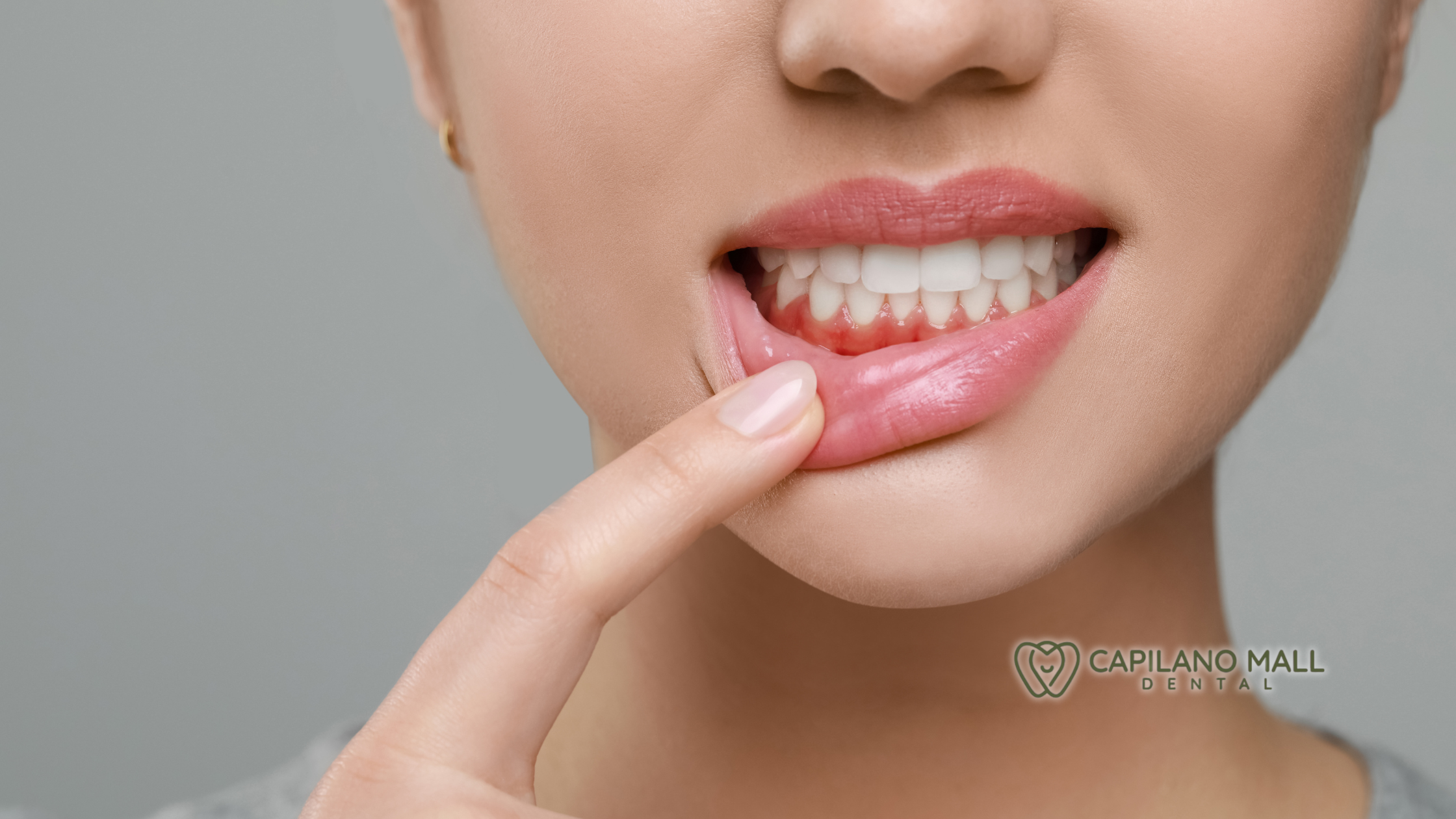
Gum pigmentation can be a common concern, often leading you to wonder about its causes and potential treatments. This darkening of your gum tissue is typically a result of genetic factors, melanin production, or sometimes even certain medications.
While largely harmless, it can sometimes indicate more serious oral health issues, making it imperative to monitor changes. Fortunately, treatment options are available, ranging from professional cleanings to cosmetic procedures, if desired.
Understanding what causes gum pigmentation is key to addressing your particular case effectively.
Key Takeaways:
- Gum pigmentation can be caused by a variety of factors, including genetics, certain medications, tobacco use, and medical conditions.
- Treatments for gum pigmentation may include cosmetic procedures like gum depigmentation or laser therapy, which can reduce or remove the pigmentation for a more uniform appearance.
- Maintaining good oral hygiene and regular dental check-ups can help manage the health of gums and prevent further pigmentation changes.
Understanding Gum Pigmentation
The process of gum pigmentation refers to the darkening of the gums, which can occur due to various reasons. This condition can affect individuals differently, leading to a range of appearances from subtle discoloration to noticeable dark patches. It’s vital to understand the underlying factors contributing to this pigmentation for appropriate management.
Definition and Types of Gum Pigmentation
At its core, gum pigmentation is the abnormal coloration of the gums, which can manifest in various forms:
| Type | Description |
| Physiological | Natural pigmentation can be influenced by either ethnicity or genetics. |
| Pathological | Discoloration can occur as a result of underlying health issues or medical conditions. |
| Medications | Pigmentation resulting from certain prescribed treatments. |
| Smoking-related | Gum darkening associated with tobacco use. |
| Trauma-induced | Discoloration due to injury or irritation. |
Assume that understanding these distinct types can help you identify any abnormal changes in your gum color.
“Gum pigmentation may be natural, but sudden or unexplained changes should never be ignored as they might indicate underlying health concerns that require professional evaluation.” — Capilano Mall Dental
Common Causes of Gum Pigmentation
Across the spectrum, several factors can lead to gum pigmentation, ranging from natural genetics to specific habits or health conditions. Such factors can include your ethnic background, smoking, certain medications, or even some diseases.
Hence, the reasons for gum pigmentation can vary greatly: Genetics plays a pivotal role, as individuals with darker skin tones often have naturally pigmented gums.
The use of tobacco products leads to significant discoloration, as it damages gum tissue over time. Certain medications, such as those containing minocycline, can cause darkening of the gums.
Certain systemic diseases such as Addison’s disease or Peutz-Jeghers syndrome, as well as chronic inflammatory conditions, can also contribute to the darkening of the gums. Understanding these factors is vital for maintaining oral health and seeking appropriate treatment if necessary.
Risk Factors for Gum Pigmentation
It’s vital to understand the factors that contribute to gum pigmentation. Common risk factors include:
- Genetic predisposition
- Smoking
- Hormonal changes
- Medications
After identifying these risk factors, you can take proactive steps to minimize their impact on your gum health.
Genetic Factors
Factors leading to gum pigmentation can be significantly linked to genetics. Notable genetic contributors include:
- Familial predisposition
- Ethnic background
- Skin tone
This means that if your family has a history of pigmented gums, you may be at a higher risk of developing similar conditions.
Environmental and Lifestyle Factors
After examining genetic elements, you must also consider environmental and lifestyle factors. Key contributors include:
- Diet
- Hygiene practices
- Exposure to toxins
You can significantly influence your gum pigmentation by making mindful choices in your daily health routines.
Further exploration of environmental and lifestyle factors reveals that diet significantly impacts gum health. A balanced diet rich in vitamins and minerals can help reduce the risks associated with pigmentation.
Additionally, poor oral hygiene practices may exacerbate pigmentation issues. Exposure to harmful chemicals can also contribute to discoloration over time. Thus, ensuring a clean environment and adopting healthy habits will positively impact your overall gum health.
“By combining good oral hygiene with a nutrient-rich diet and limiting exposure to toxins, you’re not just addressing gum pigmentation—you’re proactively building a foundation for long-term periodontal health.” — Capilano Mall Dental
Diagnosis of Gum Pigmentation
Your first step in addressing gum pigmentation is a proper diagnosis, which involves a thorough evaluation by a dental professional. This assessment typically includes a review of your medical history, especially any medications or health conditions that may contribute to gum discoloration.
A careful examination of your gums and surrounding oral tissues will help identify the cause and determine the best course of action for treatment.
Clinical Examination
Besides a visual assessment of your gums, the clinician will conduct a comprehensive oral examination to assess the overall health of your periodontal tissues. You can expect your dentist to look for any signs of inflammation, infection, or other anomalies that may indicate underlying issues contributing to the pigmentation.
Detailed attention to your gum health will guide the subsequent steps in diagnosing the cause effectively.
Additional Diagnostic Tools
While X-rays help evaluate the supporting bone structures, they do not detect pigmentation. In cases of unusual or unexplained gum discoloration, a biopsy may be used to rule out pathologic lesions. Your dentist might also consider conducting a biopsy if there’s a suspicion of a more serious condition that could be causing the pigmentation.
This procedure can help differentiate between benign and potentially harmful lesions, allowing for accurate diagnosis and tailored treatment options.
Diagnostic approaches play a significant role in managing your condition. If biopsy results reveal an unwanted growth or lesion, timely diagnosis is imperative for effective intervention.
Additional imaging can provide insights into any underlying systemic issues like deficiencies or other oral diseases. Overall, a systematic and thorough approach in utilizing these tools enhances your dentist’s ability to recommend the most effective treatment plan tailored to your specific needs.
Treatment Options for Gum Pigmentation
Many individuals seek solutions for gum pigmentation to restore their oral aesthetics and confidence. Treatment options vary based on the pigmentation’s cause and severity, encompassing both non-surgical and surgical pathways tailored to your unique needs.
Non-Surgical Treatments
Treatments for gum pigmentation can initially include non-invasive options, such as topical treatments and professional dental cleanings. These methods aim to support overall gum health, but they typically do not reduce pigmentation unless the cause is related to inflammation or medication side effects.
Consulting your dentist is necessary to determine the best non-surgical approach for your situation.
Surgical Treatments
Treatment options may also involve surgical procedures for more severe cases of gum pigmentation. Depending on the extent of the pigmentation, gum depigmentation techniques can effectively remove dark spots and improve your gum appearance.
A periodontist can perform these procedures safely, ensuring minimal discomfort and a swift recovery.
And while surgical treatments often yield immediate, noticeable results, you should consider potential risks such as infection and scarring. It is critical to discuss all concerns and expectations with your dental professional to ensure your treatment plan aligns with your overall oral health and desired outcomes.
Prevention of Gum Pigmentation
After understanding the causes of gum pigmentation, you can take proactive steps to prevent it. Maintaining good oral health enhances your smile and minimizes the risk of discoloration.
Regular visits to your dentist, along with proper oral hygiene, play a significant role in ensuring your gums remain healthy and vibrant.
Oral Hygiene Practices
Along with regular dental check-ups, adopting effective oral hygiene practices is vital. Make sure to brush your teeth at least twice a day, floss daily, and use a mouthwash that fights plaque.
This routine helps to remove food particles and plaque buildup, reducing the likelihood of gum pigmentation.
Lifestyle Modifications
With some simple lifestyle modifications, you can further diminish the risk of gum pigmentation. Avoiding tobacco products and moderating your consumption of foods and beverages known to stain can help keep your gums looking their best.
At home, focus on making healthy dietary choices by incorporating fruits and vegetables rich in vitamins A and C, which promote gum health. Also, quitting smoking and tobacco is good for your mouth and health.
“Remember, every small step—like dropping smoking habits or opting for nutrient-packed foods—brings you closer to healthier gums and an improved smile.” — Capilano Mall Dental
Limiting excessive consumption of staining substances, such as coffee, tea, and red wine, will help prevent discoloration. By adopting these positive lifestyle changes, you can significantly contribute to the health and appearance of your gums.
Myths and Misconceptions about Gum Pigmentation
Various myths and misconceptions often surround gum pigmentation, leading to confusion and misinformed decisions regarding your oral health. Understanding these inaccuracies is crucial for you to make informed choices about your gums and overall dental care.
Dispelled Myths
About gum pigmentation, many believe it solely signifies poor oral hygiene or disease. However, the assumption is not accurate, as pigmentation can occur due to various factors like genetics, medications, or habits such as tobacco use.
It is crucial to conduct a thorough evaluation of your situation instead of making assumptions solely based on color.
Common Misunderstandings
Myths regarding gum pigmentation often lead to unnecessary worry or stigma. Many people mistakenly associate dark gums with severe health issues, ignoring that different individuals have varied natural pigmentation levels.
This misunderstanding can cause undue stress about your oral health, even when everything is functioning normally.
Hence, acknowledging that pigmentation does not directly equate to poor dental health is vital. Your gum color can be influenced by factors such as melanin deposits, ethnicity, and lifestyle choices.
Holding onto these misconceptions may prevent you from seeking the right professional advice, ultimately affecting your overall oral health. It’s crucial to consult a dental professional if you have concerns, ensuring you receive accurate information tailored to your specific situation.
Conclusion
With these considerations, understanding the causes of gum pigmentation can empower you to take appropriate steps for management or treatment. Factors such as genetics, specific medications, and lifestyle choices can all contribute to discoloration of your gums.
If you’re concerned, consult a dental professional for personalized advice and explore treatment options that may suit your needs. Taking proactive measures can enhance not just your oral health but also your overall appearance.
If you’re concerned about gum pigmentation or curious about the best cosmetic solutions for a brighter, healthier smile, our team at Capilano Mall Dental is here to help. Contact us today to book a consultation and take the first step toward achieving the confident smile you deserve.