
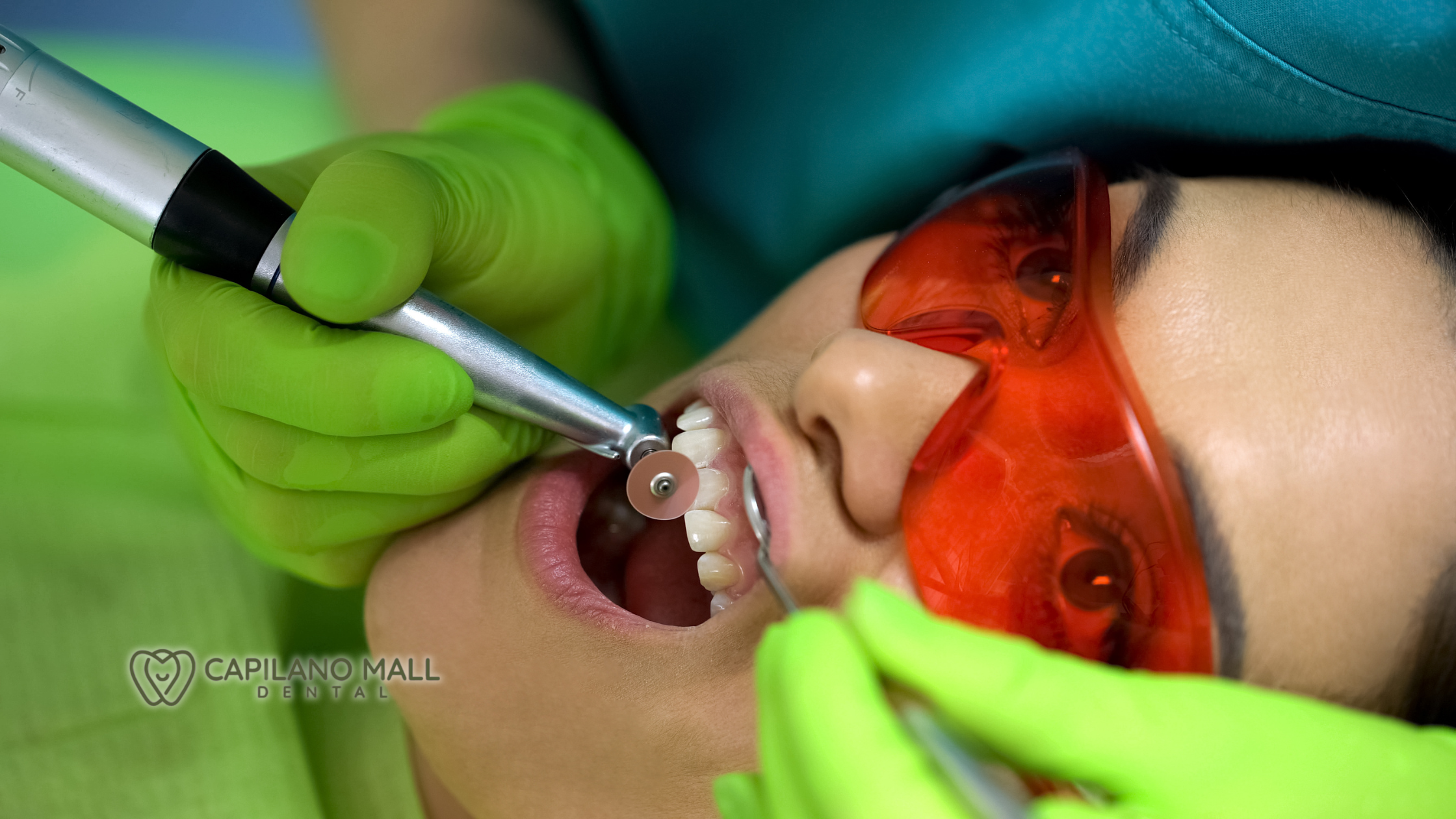
Tooth issues can arise unexpectedly, and a cracked tooth may leave you feeling anxious about your dental health. Understanding the signs that indicate it’s a dental emergency is vital for preserving your tooth and alleviating pain.
In this post, you’ll learn how to assess the severity of your crack, the symptoms that require immediate attention, and the steps you should take to ensure proper treatment. By recognizing the urgency of your situation, you can act quickly and protect your smile.
Key Takeaways:
- A cracked tooth can cause severe pain, bleeding, or swelling in the surrounding gums.
- Prompt evaluation by a dentist is vital to determine the extent of the damage and prevent further complications.
- Taking immediate action, such as rinsing your mouth and avoiding hard foods, can help alleviate discomfort while seeking professional care.
Understanding Cracked Teeth
While a cracked tooth may seem like a minor issue at first, it can lead to significant dental problems if left untreated. Cracks can vary in size and location, affecting the tooth’s structural integrity and potentially leading to pain, infection, or even tooth loss.
By understanding more about the nature of cracked teeth, you can better assess whether your situation requires prompt dental attention.
“Even a hairline crack in your tooth can compromise its structure, so early detection and timely treatment are crucial to preserving both your tooth and your overall oral health.” – Capilano Mall Dental
Causes of Tooth Cracks
Many cases of cracked teeth are caused by excessive force or trauma, including teeth grinding, clenching, or chewing hard foods. These factors can include habits such as grinding or clenching your teeth, chewing hard foods, or even experiencing an injury from sports.
Additionally, age-related wear and tear, large fillings, and sudden temperature changes can also contribute to the likelihood of cracks forming in your teeth.
Symptoms to Watch For
Knowing the symptoms of a cracked tooth can help determine if you need immediate dental care. Common signs include sharp pain when biting down, prolonged sensitivity to hot or cold temperatures, or discomfort when consuming sweet foods.
If you notice any of these symptoms, it’s important to seek help to prevent further complications.
“Don’t dismiss occasional discomfort—it may be your body’s way of alerting you to a minor crack that, if untreated, could escalate into a more serious dental issue.” – Capilano Mall Dental
Cracked teeth can present various symptoms, often depending on the severity and location of the crack. You might experience intermittent pain, which can complicate the identification of the issue.
Occasionally, a cracked tooth is asymptomatic until it worsens, leading to inflammation or infection. Staying vigilant about any unusual sensations in your mouth can aid in early detection and proper treatment.
When Is It a Dental Emergency?
Clearly, understanding when a cracked tooth qualifies as a dental emergency is necessary for maintaining your oral health. If you experience a sudden onset of severe pain or noticeable changes in your tooth, seeking immediate dental care can prevent more extensive damage and complications.
Severe Pain and Sensitivity
Intense pain or heightened sensitivity to hot and cold stimuli around your tooth are signs that you need urgent dental attention. Do not wait for the pain to subside; addressing the issue promptly is key to preventing further complications.
Visible Damage and Infection Signs
By observing any visible damage to your tooth or signs of infection, such as swelling, redness, or pus, you’re facing a situation that deserves immediate evaluation. Ignoring these symptoms may lead to more severe issues, including loss of the tooth itself.
Dental issues can escalate quickly, particularly with visible damage or signs of infection. If you notice your tooth has visible cracks or chips or if your gums appear swollen or discolored, these symptoms necessitate an urgent dental visit.
Additionally, increased sensitivity or pain accompanied by foul odor or taste suggests an infection that requires immediate treatment. Taking action promptly helps safeguard your overall dental health and minimizes complications.
Immediate Steps to Take
Many people experience anxiety when dealing with a cracked tooth. The first step you should take is to rinse your mouth with warm water to clean the area gently.
If there’s any swelling, apply a cold compress to your cheek to reduce the pain and inflammation. Over-the-counter pain relief medication can help manage discomfort until you can see a dentist.
Avoid chewing on that side of your mouth and refrain from eating or drinking anything hot or cold that may irritate the tooth further.
Home Care Tips
Steps you can take at home include:
- Rinsing with warm salt water
- Taking over-the-counter pain relievers
- Applying a cold compress outside your mouth
- Avoiding hard or chewy foods
This approach can help you manage the situation until you receive professional care.
When to Seek Professional Help
Your dental health can impact your overall well-being at any time. If you experience intense pain, noticeable swelling, or bleeding, it’s important to seek professional help as soon as possible.
Additionally, if you see a jagged edge or point on your tooth, such an event could cause further damage or irritation in your mouth, necessitating dental intervention.
Consequently, failing to address a cracked tooth promptly can lead to increased pain, infections, or even tooth loss. If you have difficulty eating or notice any signs of infection, like fever or pus, it is imperative that you contact your dentist immediately.
Taking these steps preserves your tooth and ensures your overall dental health remains intact.
Treatment Options for Cracked Teeth
Now that you understand the implications of a cracked tooth, it’s crucial to explore the treatment options available. Depending on the severity of the crack and your individual circumstances, your dentist will recommend an appropriate course of action to address the issue effectively. Acting quickly can help to mitigate pain and prevent further damage to your dental health.
Conservative Treatments
With minor cracks, conservative treatments may be recommended first. These options include dental bonding, which involves applying a tooth-colored resin to seal the crack and restore the tooth’s appearance.
You might also benefit from a dental crown to provide additional support and protection. These approaches help preserve your natural tooth and maintain its functionality.
Surgical Interventions
For more severe cracks, surgical interventions may be necessary to alleviate discomfort and restore function. Your dentist will evaluate the extent of the damage and determine if procedures like root canal therapy or tooth extraction are required for your situation.
Surgical options usually arise when the crack extends deep into the tooth, affecting the nerve or surrounding tissues. In these cases, a root canal may be performed to remove the infected pulp and seal the tooth, preventing further complications.
If the tooth is too damaged to save, extraction might be the best option, followed by discussions on replacement options like implants or bridges to maintain your smile and dental health.
Prevention Strategies
For maintaining the health of your teeth and preventing cracks, implementing effective prevention strategies is vital. This includes being mindful of the foods you consume, avoiding sharp objects, and using protective gear during activities that pose a risk to your mouth.
Additionally, staying hydrated and practicing good oral hygiene can significantly reduce the chances of dental emergencies.
Good Oral Hygiene Practices
Any successful oral care routine starts with good hygiene practices. Brushing at least twice a day with fluoride toothpaste and flossing daily help remove food particles and plaque, thereby reducing the risk of tooth damage.
Using an antimicrobial mouthwash can further aid in keeping your mouth healthy and free from bacteria.
Regular Dental Check-ups
Dental check-ups are vital for monitoring your oral health. Your dentist will check your teeth and gums during these visits, spotting problems before they worsen.
Early detection of potential problems can save you from future discomfort and extensive treatment.
With regular dental check-ups, your dentist can spot early signs of wear, decay, or other issues that may lead to a cracked tooth. These appointments typically involve thorough examinations and X-rays, allowing for personalized recommendations tailored to your dental needs.
“Think of your dental check-ups as preventive maintenance; they not only keep your teeth healthy but also help you avoid larger problems like untreated cracks turning into emergencies.” – Capilano Mall Dental
By keeping up with these check-ups, you not only maintain your oral health but also significantly decrease the risk of emergencies related to cracked teeth.
Myths and Misconceptions
To address the concerns surrounding cracked teeth, it is necessary to debunk some common myths. Many people believe that a cracked tooth isn’t a serious issue unless they are experiencing severe pain.
However, even minor cracks can lead to significant problems if not treated promptly. Additionally, some think that cracked teeth only affect adults, but children can also suffer from this condition.
Understanding the facts can help you make informed decisions about your dental health.
Common Misunderstandings About Cracked Teeth
When it comes to cracked teeth, many people assume they only require attention if there are obvious signs of discomfort. In reality, even small cracks can predispose your tooth to more damage, infections, and dental decay.
It is important to seek advice from your dentist whenever you suspect any issue, regardless of pain levels.
Clarifying Emergency Care
Any cracked tooth can potentially require immediate care, especially if it causes pain or affects your daily activities. It’s necessary to consult your dentist without delay, but knowing when to seek emergency treatment can save your tooth from further damage.
Plus, knowing the signs that qualify as dental emergencies can empower you to take action sooner. If you experience sudden pain or swelling or have trouble eating or speaking due to a cracked tooth, your situation indicates that you should seek immediate care.
Early intervention can significantly increase the chances of saving your tooth and avoiding extensive dental procedures down the line.
Conclusion
On the whole, recognizing when a cracked tooth constitutes a dental emergency can significantly affect your oral health. If you experience severe pain, swelling, or sensitivity, it’s necessary to seek immediate dental care.
Acting promptly can help prevent further damage or infection, ensuring your smile remains healthy. Your dental health is vital, so don’t delay contacting your dentist if you suspect a tooth injury. Timely intervention is key to preserving your teeth and overall well-being.
Don’t Wait—Get Expert Care for Your Cracked Tooth TodayIf you’re experiencing pain, sensitivity, or visible damage to your tooth, it’s best not to take any chances. The sooner you seek professional help, the better your chances of preventing complications. Contact Capilano Mall Dental today to book your emergency dental appointment and get the prompt, compassionate care you need.