
Over the years, advancements in dental technology have led to innovative solutions for tooth loss, with dental implants standing out as a highly effective option. Suppose you are facing the challenge of missing teeth.
In that case, dental implants offer you a long-lasting and durable solution that not only restores your smile but also enhances your overall oral health.
This blog post will research how dental implants work, their advantages, and why they might be the right choice for your dental restoration needs.
Key Takeaways:
- Dental implants provide a sturdy and reliable foundation for replacement teeth, designed to blend seamlessly with natural teeth.
- The procedure for dental implants typically involves multiple steps, including the placement of the implant, healing time, and attaching the crown, ensuring a tailored fit and optimal result.
- With proper care and maintenance, the implant itself can last a lifetime, although the crown may require replacement after several years.
Understanding Dental Implants
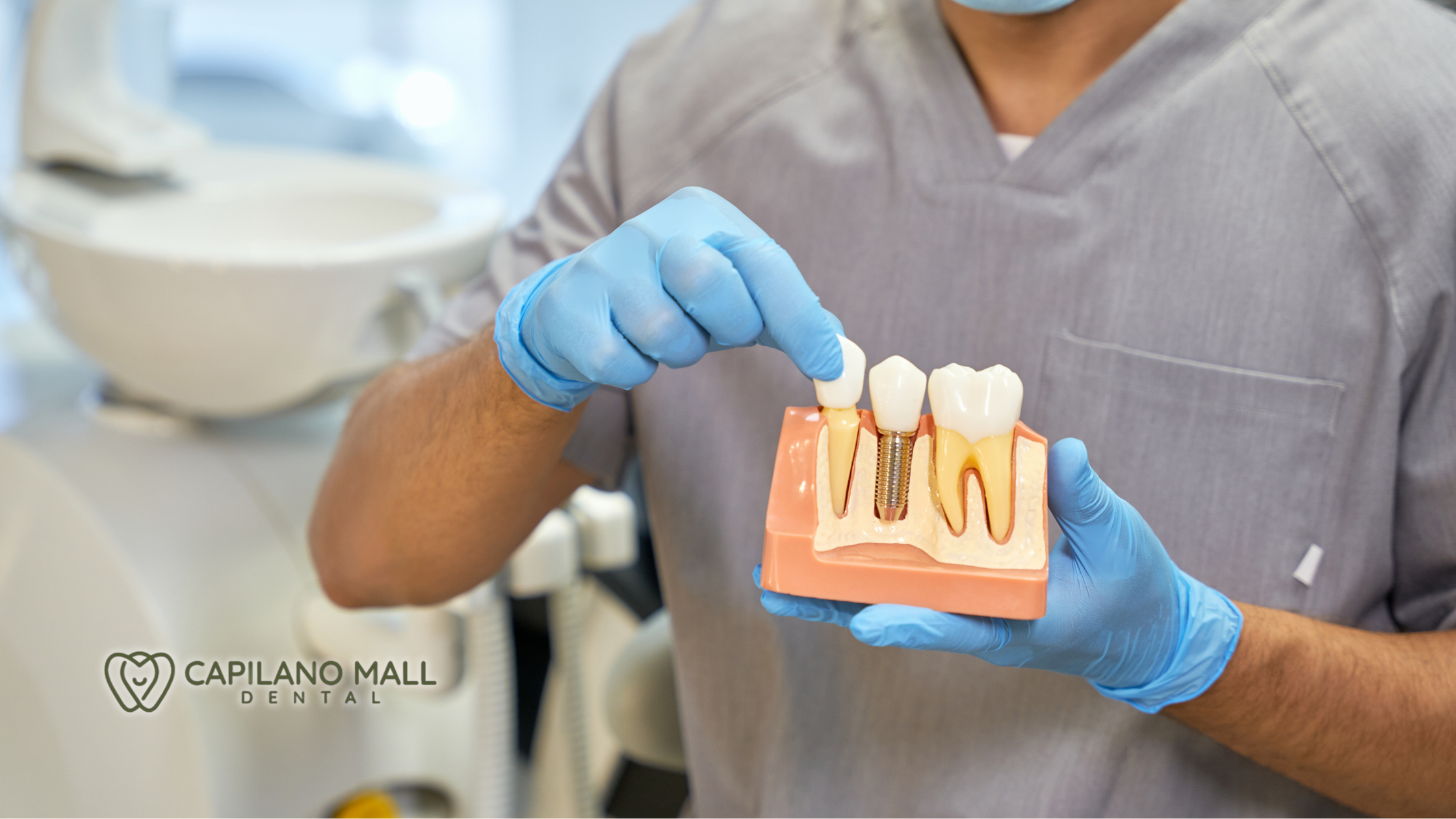
A dental implant is a sophisticated solution designed to replace missing teeth. This treatment involves the surgical placement of titanium posts into the jawbone, which serve as sturdy foundations for artificial teeth.
These implants integrate with your bone, ensuring durability and functionality similar to natural teeth. By choosing dental implants, you restore not only your smile but also your confidence and ability to chew comfortably.
What are Dental Implants?
Across dental practices, implants consist of three main components: the implant post, the abutment, and the crown. The post is inserted into your jawbone, acting as a root for the new tooth.
The abutment connects the post to the crown, which is the visible part of the implant that mimics your natural teeth. Together, these components provide a reliable and long-lasting solution for tooth loss.
Types of Dental Implants
To accommodate varying needs, there are several types of dental implants available. Here are some common types:
- Endosteal Implants: Placed directly in the jawbone.
- Subperiosteal Implants: Positioned under the gum but above the jawbone.
- Zygomatic Implants: Surgically anchored into the zygomatic bone, typically used when there is severe jawbone loss.
- Mini Dental Implants: Smaller versions, ideal for limited spaces.
- Implant-Supported Bridges: Used when multiple teeth are missing in a row.
The selection of the appropriate type depends on your unique dental structure and personal preferences.
| Type | Description |
| Endosteal Implants | Standard implants are inserted into the jawbone. |
| Subperiosteal Implants | Placed under the gum but rests atop the jawbone. |
| Zygomatic Implants | Inserted into the cheekbone for patients with insufficient jawbone. |
| Mini Dental Implants | Less invasive; suitable for smaller dental spaces. |
| Implant-Supported Bridges | Useful for restoring multiple adjacent teeth. |
Due to advancements in dental technology, the types of dental implants available today are designed to meet various needs and situations. Understanding these options helps you make informed decisions about your dental health.
Here’s a summary of the types:
- Endosteal Implants: Require sufficient bone density for placement.
- Subperiosteal Implants: A possible alternative if you have bone loss.
- Zygomatic Implants: Best for those unable to use traditional implants.
- Mini Dental Implants: Less invasive, suitable for smaller or narrow spaces.
- Implant-Supported Bridges: Effective for replacing multiple missing teeth.
The best type for you will greatly depend on your individual dental needs and medical history.
| Type | Features |
| Endosteal Implants | Recommended for most candidates; strong and reliable. |
| Subperiosteal Implants | Ideal for patients with minimal jawbone height. |
| Zygomatic Implants | Allow for stability in patients with severe jawbone loss. |
| Mini Dental Implants | Less traumatic procedure, quicker recovery. |
| Implant-Supported Bridges | Restore full functionality when multiple teeth are missing. |
Benefits of Dental Implants
Even with advancements in dental technology, dental implants remain one of the best solutions for tooth loss. They offer numerous benefits, including enhanced stability, improved oral health, and a natural appearance.
By choosing implants, you can restore your smile and regain your confidence, all while enjoying the long-lasting advantages they provide compared to other tooth replacement options.
Aesthetic Improvement
Implants not only fill gaps left by missing teeth but also mimic the look and feel of your natural teeth. This aesthetic improvement can dramatically enhance your smile, allowing you to feel more confident in social situations.
With implants, you can enjoy a seamless integration into your mouth, making it difficult for others to distinguish between your natural teeth and the restorations.
Functional Advantages
Dental implants offer remarkable functional benefits that can greatly enhance your quality of life. They restore your ability to chew and speak properly, as they function like your natural teeth, ensuring a comfortable eating experience without the worry of slippage or discomfort.
Functional advantages of dental implants go beyond merely restoring your bite. They help maintain your jawbone structure, preventing bone loss that often occurs after losing teeth.
This preservation helps maintain your facial structure and prevents the sunken appearance that can come with missing teeth. With implants, you can enjoy your favorite foods again without restrictions, which ultimately contributes to improved nutrition and well-being.
The Dental Implant Procedure
Keep in mind that the dental implant procedure involves several stages, starting with an initial consultation and culminating in the placement of the new tooth. Each phase is designed to ensure the success and longevity of your dental implant.
Consultation and Planning
Any successful dental implant journey begins with a comprehensive consultation. During this stage, your dentist will evaluate your oral health, discuss your medical history, and create a personalized treatment plan tailored to your specific needs.
Surgical Process
Planning for the surgical process is imperative for achieving optimal results. Your dentist will prepare the implant site by ensuring sufficient bone density and determining the precise placement of the implant.
Implant placement typically involves making a small incision in your gum to access the bone, where the post will be inserted. This titanium post acts as the root of your new tooth, providing a stable foundation.
The procedure is commonly performed under local anesthesia, although sedation or general anesthesia may be used in more complex cases.
Recovery and Healing
Procedure recovery varies from person to person but generally requires a period of healing for the implant to integrate with your jawbone. You may experience some discomfort, but this is typically manageable with pain relief methods recommended by your dentist.
Consequently, the healing process can take several months, depending on individual factors such as your overall health and oral hygiene practices. During this time, your dentist will guide you on post-operative care to promote healing and ensure the success of your dental implant.
Regular follow-up visits will help monitor your progress and address any concerns you may have.
Maintenance and Care for Dental Implants
While dental implants are not susceptible to cavities, they require special attention to avoid peri-implant diseases and ensure long-term success. Proper maintenance is vital, and adopting good oral care habits can significantly enhance the lifespan of your implants, helping you enjoy the benefits of a confident smile for years to come.
Daily Oral Hygiene
Along with routine brushing and flossing, it’s important to incorporate special tools designed for implant care, such as non-abrasive toothpaste and soft-bristle toothbrushes. By being diligent in your daily oral hygiene routine, you can keep your dental implants clean and your surrounding gum tissue healthy, reducing the risk of complications.
Regular Dental Check-ups
It’s advisable to schedule dental check-ups about twice a year to monitor the health of your implants and surrounding tissues. Regular evaluations can detect any early signs of potential issues, allowing for timely intervention should it be necessary.
Oral examinations during these check-ups typically include a thorough cleaning, an assessment of your gum health, and an evaluation of the stability of your implants. Staying proactive with these visits not only safeguards your investment in dental implants but also reinforces your overall oral health, contributing to a brighter, healthier smile.
Potential Risks and Complications
Acknowledging the potential risks and complications involved in the procedure is vital to ensuring the long-term success of dental implants. While implants are generally safe, you may experience issues such as infection, nerve damage, or implant failure.
Understanding these risks will help you make an informed decision about your dental health and the possibility of needing additional treatments down the line.
Common Issues
Potential complications that can arise after dental implant surgery include infection at the implant site, peri-implantitis, and issues with osseointegration. These issues can lead to discomfort and may require further dental interventions.
Being aware of these potential problems allows you to monitor your implant post-surgery and seek timely help if needed.
Long-term Considerations
Behind every successful dental implant lies the need for proper maintenance and care. Ensuring your oral hygiene remains a top priority will help preserve the longevity of your implants.
Regular check-ups with your dentist can help detect any concerns early on, safeguarding your investment in your smile.
Further, it’s important to understand that while dental implants are designed to last, their durability can be influenced by factors such as your lifestyle choices, overall health, and adherence to oral hygiene practices. For instance, smoking and poor dietary habits can undermine the stability of your implants.
By prioritizing regular dental visits and adhering to a consistent care routine, you can significantly enhance the success of your implants over the years.
Alternatives to Dental Implants
All individuals facing tooth loss have several alternatives to consider, each with its own set of benefits and drawbacks. While dental implants are a popular choice for a permanent solution, options like dentures and bridges can effectively address gaps in your smile and restore function.
It’s important to evaluate each option to find the most suitable solution for your dental needs.
Dentures
Implants are not the only choice for replacing missing teeth; dentures provide a removable option that can restore your smile and improve chewing ability. Depending on your needs, dentures can be complete or partial.
While they may take some time to adjust to and require regular maintenance, they can offer a functional solution without the need for surgical procedures.
Bridges
Alternatives to dental implants also include dental bridges, which can effectively fill the gap left by one or more missing teeth. Traditional bridges consist of artificial teeth anchored by the adjacent natural teeth, though implant-supported bridges are also available.
You can chew and speak with confidence while your smile remains intact.
In addition, bridges offer the advantages of a relatively quick installation process and a less invasive approach compared to dental implants. They can be made from various materials, ensuring a natural look that blends seamlessly with your existing teeth.
However, maintaining the health of the supporting teeth is vital, as they play a vital role in the longevity of the bridge.
Final Words
So, if you are facing tooth loss, dental implants offer you a reliable and permanent solution to restore your smile and enhance your quality of life. They not only mimic the appearance of natural teeth but also provide the functionality you need for everyday activities like eating and speaking.
By choosing dental implants, you invest in your oral health and overall well-being, ensuring that your smile lasts for years to come. Consult with a dental professional to explore how implants can fit into your personal dental plan.
Don’t let missing teeth affect your confidence and quality of life. At Capilano Mall Dental, our experienced team is here to help you achieve a permanent, natural-looking solution with dental implants.
Contact us now and take the first step toward a healthier, more confident smile!