
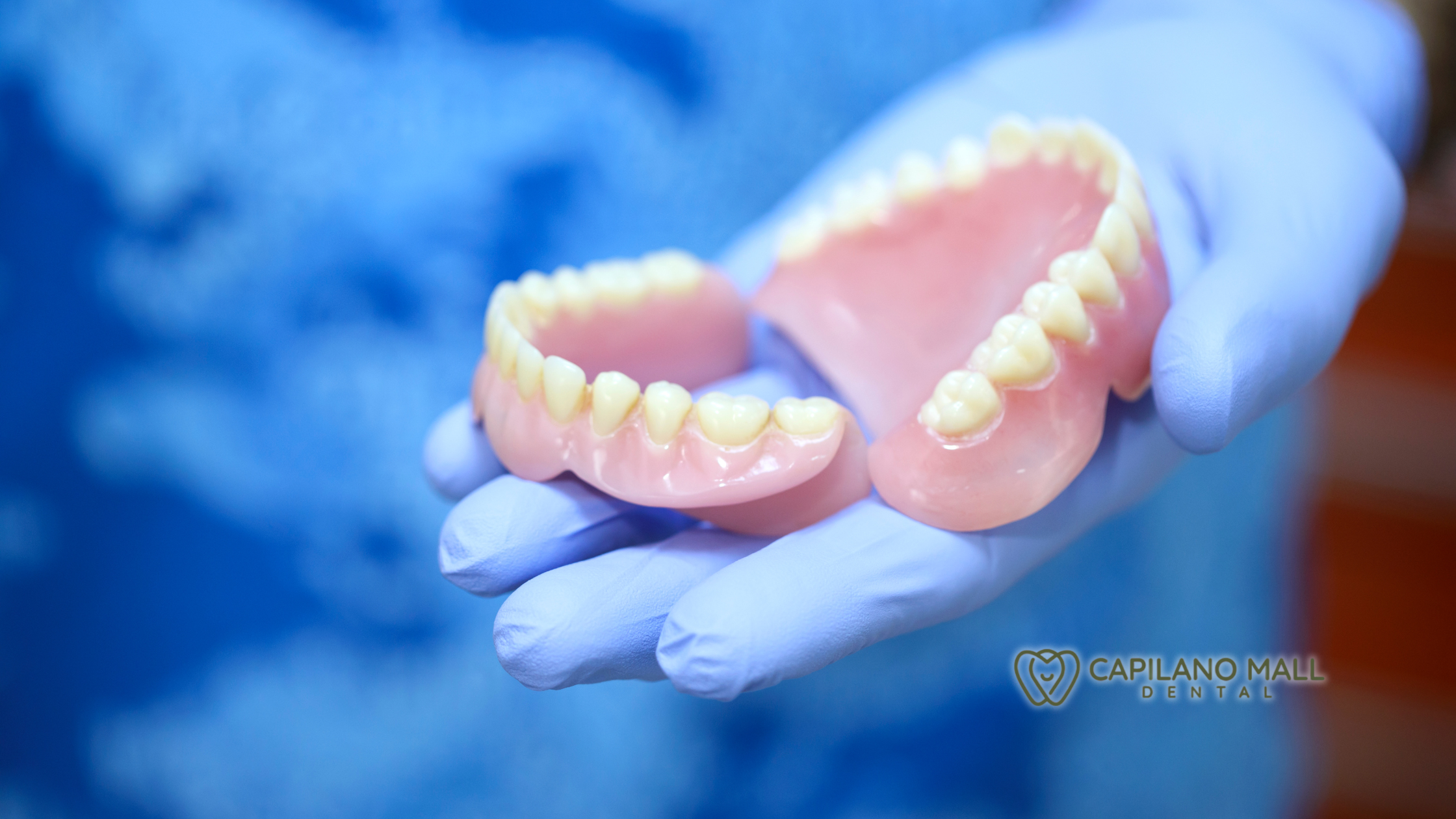
There’s a significant difference between full dentures and partial dentures, and understanding these distinctions can greatly impact your oral health and comfort. If you’re considering dentures, it’s important to know that full dentures replace all the teeth in either the upper or lower dental arch, while partial dentures fill gaps left by missing teeth when some natural teeth remain.
This knowledge not only helps you make informed decisions about your dental care but also enhances your confidence in your smile. In this post, we’ll explore the key differences between these two types of dentures to help you choose what’s right for your needs.
Key Takeaways:
- Full dentures are used when all teeth are missing, providing a complete set of artificial teeth, while partial dentures are designed for patients who still have some natural teeth remaining and need replacements for gaps.
- The fit and functionality of dentures can differ significantly; full dentures may require more adjustment to adhere properly to the gums, whereas partial dentures need to accommodate existing teeth for stability.
- Both types of dentures require regular maintenance and adjustments by a dental professional to ensure they remain comfortable and effective over time.
Overview of Dentures
Your understanding of dentures can greatly enhance your dental health and overall confidence. Dentures are removable appliances designed to replace missing teeth and restore your smile.
They come in two main types: full and partial dentures, each addressing specific tooth loss scenarios. Full dentures replace an entire arch of teeth, while partial dentures fill in gaps for those who still have some natural teeth remaining.
Knowing the differences between them will help you make informed decisions about your dental care.
“Understanding how dentures impact your oral health is just as important as knowing their types. From maintaining jawbone structure to stabilizing surrounding teeth, dentures do more than replace teeth—they preserve your long-term dental health.” – Capilano Mall Dental
What are Full Dentures?
Full dentures are complete tooth replacements for individuals who have lost all their teeth in either the upper or lower jaw. They are custom-made to fit your mouth, providing a stable and natural-looking smile.
Full dentures rely on the structure of your gums for support, ensuring they remain in position while you eat, speak, and smile.
What are Partial Dentures?
What you need to know about partial dentures is that they are designed for individuals who have lost some of their natural teeth but still have healthy teeth remaining. These dentures are anchored to your existing teeth using metal clasps or precision attachments, making them a more stable solution than full dentures.
In addition to filling gaps left by missing teeth, partial dentures can help maintain the alignment of your remaining teeth, preventing them from shifting and causing bite issues. They are custom-crafted to ensure a comfortable fit, allowing you to enjoy a variety of foods and speak clearly.
“Partial dentures restore your smile and act as a safeguard for your existing teeth, reducing the risks of misalignment and complications like tooth wear or TMJ disorders down the road.” – Capilano Mall Dental
Partial dentures can be an effective way to enhance your smile with relatively minimal dental work compared to implants or fixed bridges. Consult your dentist to ensure you choose the right type of partial dentures for your specific needs.
Key Differences Between Full and Partial Dentures
Any individual considering dentures should understand the key differences between full and partial dentures. Full dentures are designed to replace an entire arch of missing teeth, suitable for those who have lost all their teeth in either the upper or lower jaw.
Partial dentures fill gaps left by missing teeth, helping to maintain space and prevent the surrounding teeth from shifting.
Coverage and Material
Besides the functional aspects, the coverage and material of dentures significantly affect your choice. Full dentures typically use lightweight acrylic to mimic the appearance of gums and support a full set of prosthetic teeth.
Partial dentures, on the other hand, often combine metal frameworks with acrylic or plastic, ensuring durability while allowing for a more natural look and feel.
Fit and Comfort
Across various patients, fit and comfort play vital roles in your denture experience. Full dentures cover the entire gum and jaw surface, which may require an adjustment period as your mouth adapts.
Partial dentures focus on securing remaining natural teeth with metal clasps or precision attachments, providing a balanced fit.
Partial dentures may offer better initial stability for some patients due to support from remaining natural teeth, but overall comfort can vary depending on individual fit and anatomy. This design helps minimize movement during eating and speaking, allowing for a more secure feel.
Dentures can be uncomfortable at first, so see your dentist for adjustments. Prioritizing your comfort will ensure you reap the full benefits of your denture solution.
Benefits of Full Dentures
To restore your smile and confidence, full dentures offer a host of benefits. They replace missing teeth, allowing you to enjoy everyday activities like eating and speaking without difficulty.
Additionally, full dentures help maintain the structure of your jaw and facial appearance, ensuring you feel more comfortable and self-assured in social situations.
Enhanced Aesthetics
Dentures significantly improve your smile and facial structure. By replacing missing teeth, they prevent the sunken appearance that often accompanies tooth loss, making you look younger and more vibrant.
With modern cosmetic dentistry techniques, your full dentures can be customized to match your natural teeth, ensuring a seamless and attractive look that enhances your overall appearance.
Improved Functionality
Below, full dentures significantly enhance your ability to function in daily life. By restoring the full set of teeth, you can enjoy better chewing ability, which leads to improved digestion and nutrition.
Additionally, you’ll find that speaking becomes easier, reducing the risk of slurring words or other speech issues that may arise from missing teeth.
Further, having full dentures allows you to experience improved functionality that enhances your overall lifestyle. With restored chewing ability, you can enjoy a wider variety of foods, which may lead to a more balanced diet and improved nutrition.
As you regain your confidence in speaking, you’ll also feel more at ease during social interactions, making it easier to build relationships and maintain a positive self-image. These benefits ultimately contribute to a higher quality of life, allowing you to participate more fully in work and recreational activities.
Benefits of Partial Dentures
Now, partial dentures offer a range of benefits, making them a necessary option for those who have lost multiple teeth. They help restore your smile by filling gaps left by missing teeth, improving your ability to chew and speak effectively.
Additionally, partial dentures are designed to blend seamlessly with your natural teeth, enhancing your overall appearance while ensuring comfort and functionality in daily activities.
Preserving Natural Teeth
Below, one of the most significant advantages of partial dentures is their ability to preserve your natural teeth. By taking up space and preventing neighboring teeth from shifting, partial dentures help maintain your dental alignment and overall oral health.
This benefit is particularly important, as maintaining a well-aligned bite can reduce the risk of further tooth loss and complications down the line.
Cost Considerations
The cost of partial dentures can vary widely based on materials and complexity. While they may require an initial investment, their affordability compared to other dental solutions makes them an attractive choice for many.
Many dental insurance plans also offer coverage for dentures, helping to reduce out-of-pocket expenses.
A thorough understanding of cost considerations can help you make informed decisions about your dental needs. In the U.S., partial dentures can range anywhere from $500 to $1,500 or more, depending on customization, materials, and geographic location.
Choosing less expensive options may save you money in the short term, but high-quality materials can lead to better durability and comfort in the long run. Exploring insurance coverage and payment plans can also alleviate the financial burden, ensuring you get the care you need without excessive costs.
Maintenance and Care
After getting your dentures, maintaining their cleanliness is necessary for both your oral health and the longevity of the prosthetics. Regular care can prevent the buildup of bacteria and plaque, ensuring that your mouth stays healthy and your dentures remain in excellent condition.
Make it a part of your daily routine to clean and store your dentures properly to avoid any potential issues.
“Proper care for your dentures ensures they remain functional and hygienic for years. A consistent cleaning regimen also prevents oral health challenges like gum irritation or fungal infections caused by plaque or bacteria buildup.” – Capilano Mall Dental
Cleaning Full Dentures
Along with daily toothbrush cleaning, it’s advisable to soak your full dentures overnight in a commercial denture cleanser or as recommended by your dentist to eliminate stains and odors. Be gentle when handling them, as they can break easily if dropped.
Regular care will keep them looking fresh and maintaining their fit.
Cleaning Partial Dentures
Below are some guidelines for caring for your partial dentures. Just as with full dentures, you should brush your partial dentures daily using a soft-bristled toothbrush.
Avoid using abrasive toothpaste, as it can cause scratches on the surface.
Maintenance of your partial dentures involves being attentive to the areas around natural teeth to ensure they remain free of plaque. Failing to keep your partials clean might lead to gum disease or tooth decay.
Rinse them after eating, and consider soaking them in a gentle cleaning solution to keep them free from stains and odors. A dental professional can provide personalized care tips tailored to your dental needs.
Choosing the Right Option for You
Many factors play a role in deciding whether full or partial dentures are the best fit for your dental needs. It’s necessary to evaluate your oral health, number of missing teeth, lifestyle, and budget.
By understanding your situation and preferences, you can make an informed choice that ensures your comfort and satisfaction.
Consultation with a Dentist
With a thorough consultation, your dentist can assess your specific needs and provide personalized recommendations. They will evaluate your oral health and discuss available options, helping you understand the benefits and potential drawbacks of both full and partial dentures.
Factors to Consider
Across the board, when considering dentures, you should take into account several important factors:
- Number of missing teeth
- Overall oral health
- Budget
- Lifestyle preferences
Knowing these factors can guide you towards the most suitable solution for your smile.
Consider each element carefully to understand how they may impact your decision-making process. For instance, if you have multiple missing teeth but still have some healthy teeth left, partial dentures may be an excellent option to retain your natural appearance.
Similarly, if your overall oral health is not optimal, opting for full dentures may streamline your dental care. Prioritizing your comfort and lifestyle preferences is vital to finding the right choice for you.
Knowing the balance between these factors will lead you to a solution that fits your unique situation.
To Wrap Up
Ultimately, understanding the difference between full and partial dentures is necessary for making informed decisions about your dental health. Full dentures are designed for those who have lost all their teeth, while partial dentures cater to individuals with remaining natural teeth.
By assessing your specific needs and consulting your dentist, you can choose the most suitable option to restore your smile and improve your oral function. Your comfort and confidence in your dental solution should always be a priority.
Whether you’re considering full or partial dentures, our team at Capilano Mall Dental is here to help you make an informed decision tailored to your needs. Contact us today to book a consultation and take the first step toward a more confident, comfortable smile.