
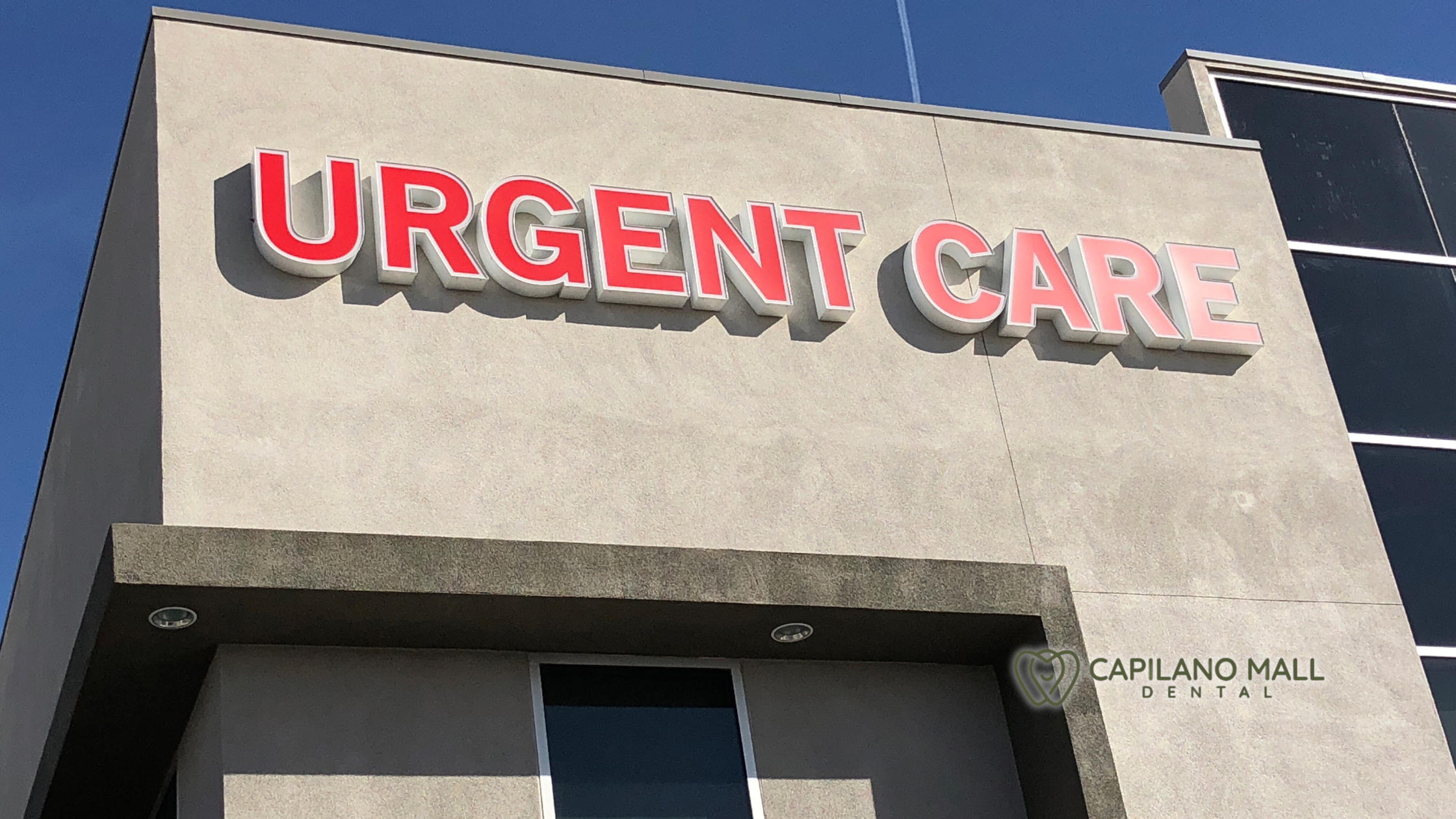
Most people experience tooth pain at some point, but knowing where to turn for relief can be confusing. You may wonder whether to consult an emergency dentist or seek help at an urgent care clinic.
This post will guide you through the differences between these two options, helping you make an informed decision to effectively address your dental discomfort. Understanding the right avenue for treatment can significantly impact your recovery and overall oral health.
Key Takeaways:
- Emergency dentists specialize in treating dental issues that require immediate attention, such as severe toothaches, broken teeth, or injuries to the mouth.
- Urgent care centers are typically suited for general medical concerns that are non-life-threatening but may not always have the tools or expertise to treat complex dental infections or conditions.
- For tooth pain specifically, it is advisable to consult an emergency dentist to ensure you receive the appropriate dental treatment without unnecessary delays.
Understanding Tooth Pain
Your experience of tooth pain can range from mild discomfort to severe agony, often indicating an underlying issue that needs attention. Understanding the nature and severity of your pain is imperative for determining the right course of action.
“The intensity and duration of your tooth pain can often provide critical clues about its underlying cause—don’t overlook even a mild, persistent ache, as it could escalate into a more serious issue over time.” – Capilano Mall Dental
Whether it’s a dull ache or sharp sensitivity, identifying the cause will help you decide whether to consult an emergency dentist or urgent care. Knowing the symptoms and their implications can guide you towards effective relief.
Common Causes of Tooth Pain
Pain can stem from various sources, such as cavities, gum disease, tooth abscesses, or dental trauma. Each of these issues can present differently, affecting how urgently you need to seek help.
For instance, cavities may cause sensitivity to hot and cold, while a tooth abscess might produce throbbing pain and swelling. Understanding these common causes aids in diagnosing the potential severity of your condition.
“A tooth abscess is particularly concerning because it can lead to systemic complications if left untreated, reinforcing the urgency of recognizing symptoms like swelling, fever, or a foul taste in the mouth.” – Capilano Mall Dental
Symptoms Indicating Urgency
You should not ignore pain that is persistent, severe, or associated with swelling, fever, or discharge. These symptoms may signal serious issues requiring immediate attention.
Notably, if you’re experiencing difficulty swallowing or breathing alongside tooth pain, it’s critical to seek help right away. In such cases, go to the nearest emergency room (ER) rather than urgent care or a dental office, as these symptoms could indicate a spreading infection or airway obstruction.
Tooth pain combined with symptoms like swelling in the face, jaw stiffness, or a high fever could indicate an infection that requires prompt intervention. These alarming signs can lead to more severe complications if left untreated, making it important for you to evaluate your condition quickly.
If you notice any of these symptoms, prioritizing your dental health is imperative—don’t hesitate to call for urgent care or an emergency dentist.
When to Call an Emergency Dentist
It’s important to seek help from an emergency dentist if you are experiencing severe tooth pain, a knocked-out tooth, or signs of infection like swelling and fever. These situations require immediate attention to prevent further complications and ensure the best possible outcome for your dental health.
Definition and Services Offered
Before deciding to call an emergency dentist, understand that they specialize in treating urgent dental issues. Services offered typically include tooth extractions, root canals, and treatments for dental trauma, ensuring you receive the care you need promptly.
Advantages of an Emergency Dentist
Before making a choice between an emergency dentist or urgent care, consider the benefits of visiting an emergency dentist. They have the expertise to handle dental-specific issues effectively, which can save you from unnecessary complications and prolonged discomfort.
Also, emergency dentists understand the urgency of your situation and are equipped with specialized tools to address a range of dental problems. Their focused approach ensures that you receive tailored treatment quickly without the long waits commonly found in general urgent care facilities, allowing you to get back to your normal routine as soon as possible.
When to Seek Urgent Care
Many people wonder when tooth pain necessitates a visit to urgent care. If your dental issue involves severe pain, swelling, or an injury that causes bleeding, it may be appropriate to visit an urgent care facility. Urgent care can address immediate concerns while you arrange for further dental treatment.
Definition and Services Offered
Below are examples of services provided by urgent care centers. These facilities typically offer immediate assessment and treatment for non-life-threatening conditions, including infections, minor injuries, and pain management that cannot wait for a dental appointment.
Situations for Urgent Care Visits
Urgent care visits may be considered when dental pain is accompanied by general symptoms like fever or facial swelling, and a dentist is not immediately accessible. However, urgent care is often limited in dental-specific treatments and may only offer temporary relief or antibiotics.
Such scenarios include uncontrolled bleeding from the mouth, severe swelling affecting your ability to breathe or swallow, or injuries that lead to broken teeth or jaw pain.
To identify the right time for an urgent care visit, consider issues like swellings that accompany fever, signs of serious infections, or injuries resulting in significant pain. If you experience difficulty with regular activities due to tooth pain or find your situation worsening, seeking urgent care intervention is advisable.
These services can provide immediate relief while ensuring you get the necessary follow-up with a dentist.
Comparing Costs: Emergency Dentist vs. Urgent Care
Costs can vary significantly between an emergency dentist and an urgent care facility, depending on your location, the severity of your condition, and your insurance coverage. It’s necessary to consider both options and their financial implications to make the best decision for your situation.
| Emergency Dentist | Typically ranges from $150 to $300 for an initial evaluation and treatment |
| Urgent Care | Usually charges between $100 and $200 for a visit, but additional services may increase costs |
Evaluating these costs will help you choose the most suitable option for your dental emergency without exceeding your budget.
Location and Availability
After experiencing tooth pain, your next consideration should be the location and availability of care. Emergency dentists may only operate during specific hours, while urgent care facilities often offer extended hours, which can be beneficial if your tooth pain strikes after regular dental office hours.
Assessing which option is closer and more accessible can save you valuable time and help you get the relief you need.
Finding Emergency Dentists
Around your area, you can find emergency dentists by searching online or checking local directories. Many dental clinics advertise their emergency services prominently, allowing you to quickly identify which practices can assist you during a dental crisis.
Be sure to call ahead and confirm availability before heading out, as some offices may require appointments or may be fully booked.
Accessing Urgent Care Facilities
An urgent care facility can be a beneficial option for tooth pain, especially if you cannot reach a dentist right away. While urgent care centers can help manage pain or prescribe antibiotics for dental-related infections, they typically do not perform dental procedures.
Always verify if the facility has dental capabilities before visiting.
However, not all urgent care facilities are equipped to handle dental issues, so it’s vital to inquire about their capabilities before your visit.
Location is vital when accessing urgent care facilities, as these centers are generally strategically placed to serve the public efficiently. You should look for one that is close to your home or workplace for convenience.
Most urgent care facilities also offer walk-in services, so you don’t need an appointment, making it easier to get help quickly. Always check beforehand if they can address dental concerns, enabling you to receive immediate and appropriate care when needed.
Preventive Measures for Tooth Pain
Once again, taking preventive measures can significantly reduce your risk of experiencing tooth pain. Simple lifestyle adjustments, such as maintaining proper oral hygiene and regular dental check-ups, can make all the difference.
Being proactive about your dental health helps prevent complications and ensures that your smile remains bright and healthy for years to come.
Routine Dental Care
At the foundation of oral health lies routine dental care. This includes brushing your teeth at least twice a day, flossing daily, and visiting your dentist for cleanings and check-ups every six months.
However, the frequency of dental visits may vary depending on your oral health needs—some people may require more frequent check-ups.
These practices help identify potential issues early and keep your teeth and gums in optimal condition, reducing the likelihood of pain and discomfort.
“Regular dental exams are like health checkpoints for your teeth, catching minor issues before they snowball into major, costly treatments—early intervention truly is the best investment for a healthy smile.” – Capilano Mall Dental
Early Signs to Watch For
Any changes in your oral health can signal potential problems. Pay attention to symptoms such as sensitivity to hot or cold, persistent discomfort in specific teeth, or noticeable gum swelling.
These signs shouldn’t be ignored, as they often indicate underlying issues that, if left unchecked, could lead to more severe dental problems.
Monitoring early signs of tooth trouble is crucial through preventive care. If you notice changes like persistent sensitivity, pain when chewing, or discomfort that lasts more than a few days, it’s advisable to consult your dentist promptly.
By addressing these concerns early, you can prevent more extensive treatment and maintain your oral health effectively.
Conclusion
When faced with tooth pain, assess the severity of your situation. An emergency dentist is your best option for immediate and specific dental issues, while urgent care may address general pain but lacks specialized dental care.
If your tooth pain is accompanied by swelling, bleeding, or a severe infection, calling an emergency dentist is necessary. Understanding the differences helps you make informed choices for your dental health needs, ensuring you receive the appropriate care when it matters most.
Need Immediate Dental Help?
If you’re facing a dental emergency or unsure whether your condition requires urgent care, don’t wait—contact Capilano Mall Dental right away. Our experienced team is here to provide prompt, professional care when you need it most.