
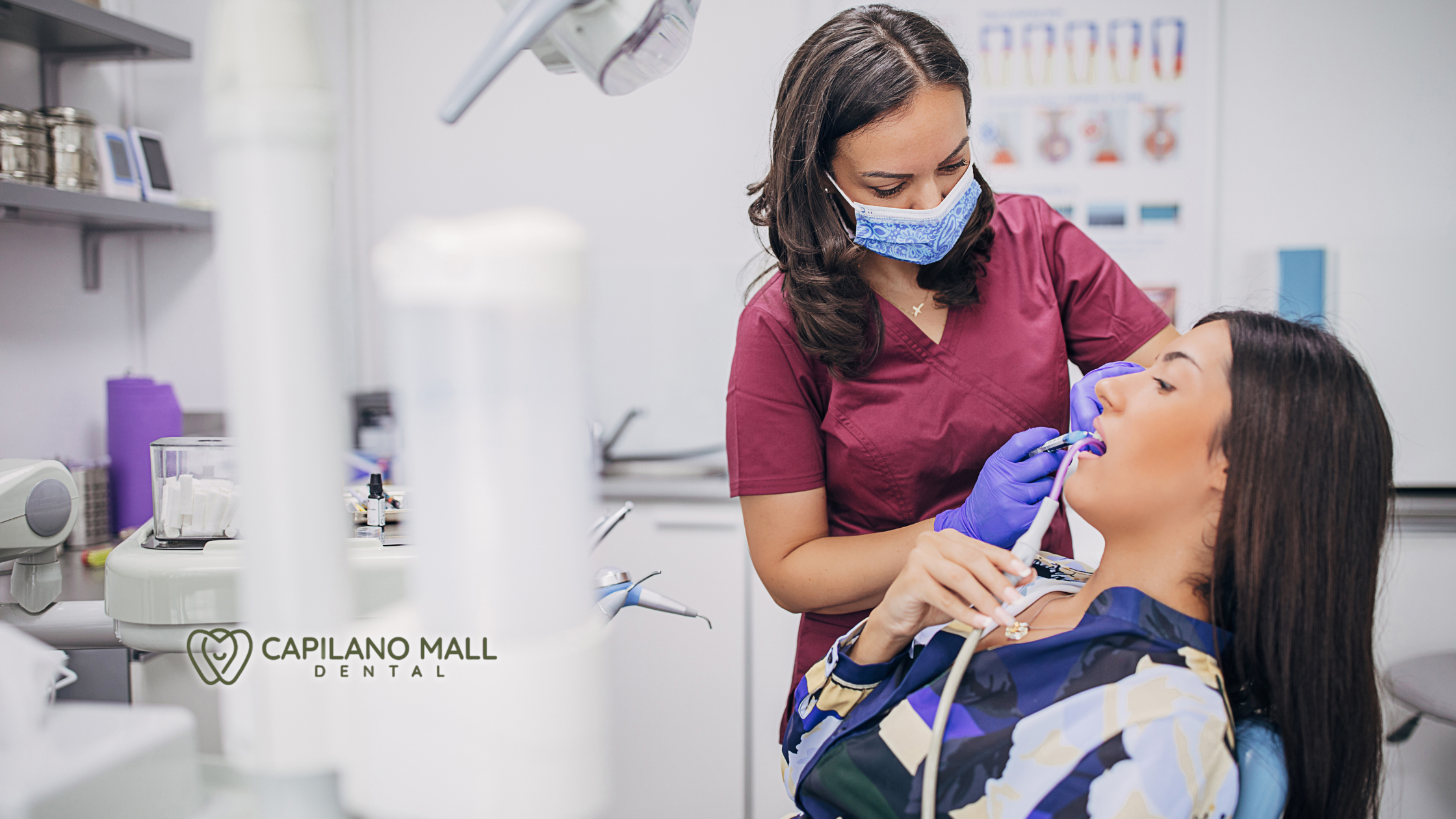
Cleaning your teeth regularly is important for maintaining good oral health and preventing dental issues. But how often should you schedule your dental cleanings? In this guide, you’ll learn from a dentist’s perspective about the ideal frequency for your professional cleanings, tailored to your individual needs.
Understanding the timing can help you keep your smile bright and healthy, so let’s explore the recommendations that will support your dental care routine.
Key Takeaways:
- Most dentists recommend dental cleanings every six months for optimal oral health.
- Individuals with specific dental conditions, a history of gum disease, or higher risk factors may need more frequent cleanings.
- Routine cleanings play a significant role in preventing cavities and gum disease, which promotes overall health.
Importance of Dental Cleanings
As part of your oral health routine, dental cleanings play a vital role in preventing many dental issues. Regular cleanings help remove plaque and tartar that brushing alone may miss, contributing to a healthier smile.
“Think of dental cleanings as an essential reset for your oral health—the areas that your toothbrush struggles to clean are professionally addressed, reducing your risk of dental issues before they start.” – Capilano Mall Dental
By committing to routine appointments, you actively support the longevity of your teeth and gums, making it easier to maintain optimal oral health over time.
Risk of Gum Disease
Risk factors associated with gum disease can escalate significantly without regular dental cleanings. When plaque builds up and turns into tartar, it can lead to inflammation and infection of your gums.
If left untreated, this type of infection can progress to gum disease, which may result in tooth loss and other serious health issues. Regular appointments help identify and manage these risks early, keeping your gums healthy.
Prevention of Cavities
Along with preventing gum disease, dental cleanings are important for cavity prevention. Regular visits allow your dentist to detect early signs of decay that you might not notice.
By removing harmful bacteria and plaque buildup through professional cleaning, your teeth remain healthier and less susceptible to cavities.
“Cavities often begin as tiny, unnoticed areas of decay, but dental cleanings allow us to catch those trouble spots early and protect your teeth from long-term damage.” – Capilano Mall Dental
In addition to professional cleaning, your dentist can provide personalized tips on maintaining your oral hygiene at home. The suggestions may include advice on proper brushing techniques, the importance of flossing, and dietary choices that promote tooth health.
By integrating these tips into your daily routine alongside regular cleanings, you can significantly reduce your risk of developing cavities and maintain a bright, healthy smile for years to come.
Recommended Frequency
Any dental professional will typically recommend that you get a dental cleaning every six months. This routine helps prevent plaque build-up, reduces the risk of cavities, and keeps your gums healthy.
However, the exact frequency may vary depending on your specific oral health needs.
General Guidelines
Recommended dental cleaning intervals generally sit at six months for most adults. Children typically require cleanings every six months as well, though those with orthodontic appliances or high cavity risk may need more frequent visits.
Your dentist can help determine the best schedule for your unique needs.
Individual Factors to Consider
Factors affecting your dental cleaning schedule include your oral health, habits, and lifestyle. Some considerations may include:
- Your oral hygiene routine
- History of dental issues
- Dietary choices
- Smoking or tobacco use
- Medical conditions affecting your gums
You should consult your dentist to personalize your cleaning frequency based on these factors for optimal oral health.
To better understand your unique situation, you should discuss potential factors with your dentist or dental hygienist. Some aspects to consider include:
- Age and overall health status
- Frequency of tooth sensitivity or pain
- Presence of braces or other orthodontic treatments
- History of periodontal disease
- Changes in your oral routine due to lifestyle
You are encouraged to prioritize open communication with your dental care provider for tailored advice.
Signs You May Need More Frequent Cleanings
Many individuals may require more frequent dental cleanings if they notice specific signs indicating potential issues. These signs can include increased plaque build-up, recurrent gum issues, or a history of dental problems.
“If you’re noticing recurring gum inflammation or stubborn plaque despite diligent at-home care, it could be a sign that your cleaning frequency needs adjustment to keep your mouth healthy and balanced.” – Capilano Mall Dental
Recognizing these signs early can help you maintain better oral health and avoid more severe dental issues in the long run.
Increased Plaque Buildup
Around your teeth and gums, plaque can accumulate quickly if not properly managed. If you notice more tartar or plaque despite regular brushing and flossing, it may signify that your current cleaning schedule isn’t sufficient.
Regular check-ups can help your dentist determine if you need more frequent professional cleanings.
History of Dental Issues
Any history of dental problems, such as cavities, gum disease, or oral infections, can indicate a need for more frequent cleanings. Your dentist will assess your dental history and tailor a preventive care plan to your specific needs.
Maintaining an open conversation about past dental issues during your visits can help both you and your dentist ensure optimum care.
Considering your dental history offers insight into your oral health risks. Frequent dental issues may suggest your teeth and gums are more susceptible to plaque and tartar buildup.
If you’ve had treatments for cavities or gum disease, your dentist might recommend more frequent cleanings to monitor your oral health closely. It’s always better to be proactive in addressing your unique dental concerns rather than waiting for problems to arise.
The Dental Cleaning Process
Once again, understanding the dental cleaning process can help alleviate any anxiety you may have. During your appointment, a dental professional will use specialized instruments to remove plaque and tartar buildup from your teeth and gums.
Your dentist may use a fluoride treatment to fortify your enamel and help ward off further decay after polishing your teeth. Lastly, your dentist may provide recommendations for at-home care to maintain your oral health between visits.
What to Expect During a Visit
Along with the dental cleaning process, you can expect a thorough examination of your oral health. Your dentist will check for signs of cavities, gum disease, and any other potential issues.
Additionally, they may take X-rays to get a clearer picture of your dental health. The visit is meant to check your teeth and gums and address any issues.
Tools and Techniques Used
To facilitate an effective cleaning, dental professionals employ a variety of tools and techniques tailored to maintain your oral hygiene. Some common instruments include ultrasonic scalers, hand instruments, and polishing equipment.
These tools work together to remove debris and ensure a thorough cleaning.
At your dental cleaning appointment, expect to see tools like ultrasonic scalers that use vibrations to break down plaque and tartar more effectively. Additionally, hand instruments help to meticulously scrape away stubborn buildup between teeth and at the gum line.
A polishing tool, often accompanied by a flavored toothpaste-like substance, will give your teeth a smooth finish while restoring their shine. Your dentist may also provide you with personalized tips based on the specific tools and techniques that work best for your oral health needs.
Benefits Beyond Oral Health
All the benefits of regular dental cleanings extend beyond just your oral health. Maintaining a schedule of dental cleanings can contribute positively to your overall well-being.
Clean teeth and gums can enhance your day-to-day life in multiple aspects, including your self-esteem and general health, connecting your oral habits to your lifestyle choices.
Impact on Overall Health
Across various studies, a significant link has been established between oral health and overall physical health. Research has shown a connection between oral health and systemic conditions such as heart disease and diabetes.
While cleanings don’t prevent these conditions directly, maintaining good oral hygiene reduces inflammation and bacterial load that may impact overall health.
Boosting Confidence and Well-being
Besides the physical health benefits, regular dental cleanings can significantly boost your confidence and overall sense of well-being. A clean, healthy smile can improve your appearance and make you feel more comfortable in social situations, allowing you to engage more freely and expressively.
Overall, the confidence gained from a bright, clean smile can transform your interactions and daily experiences. When you know your teeth are well-maintained, you are more likely to smile often, which can lead to a positive feedback loop of social engagement and improved mental health.
Feeling good about your appearance allows you to tackle challenges with a more confident mindset, enhancing both your personal and professional life. Prioritize your dental cleanings not just for oral health, but for a vibrant life full of confidence and positivity.
What to Discuss with Your Dentist
Now that you’re considering your dental cleaning frequency, it’s vital to have an open conversation with your dentist. You should address any specific concerns regarding your oral health, prior dental issues, medications you’re taking, and any lifestyle factors that might affect your dental hygiene.
Understanding how these factors intertwine with your cleaning schedule can help your dentist better advise you on the ideal frequency of visits.
Personal Oral Health History
Behind every healthy smile is an individual’s unique oral health history. Discuss any previous dental treatments, surgeries, or ongoing concerns you’ve had. This background is vital for your dentist in determining the best approach for your dental care and cleaning needs.
Tailoring a Cleaning Schedule
Dentists will look into your specific needs and factors influencing your oral health to help create a personalized cleaning schedule. This process ensures that you receive the right level of care based on your risk of dental issues, such as gum disease or cavities.
Creating a personalized cleaning schedule shows you’re actively invested in your oral health. If you have a history of gum disease, dental anxiety, or other conditions, your dentist might recommend more frequent visits, while those with excellent oral hygiene might need less frequent cleanings.
Your lifestyle, such as smoking or dietary habits, will also play a role in determining how often you should return for cleanings. Communication with your dentist about these elements will lead to a more effective and personalized oral care plan.
Summing up
Most people find it beneficial to visit the dentist every six months. This frequency helps prevent gum disease and cavities while ensuring your oral hygiene is maintained.
However, depending on your specific dental health needs, your dentist may suggest more frequent visits. Always consult your dentist about the ideal cleaning schedule tailored to your unique situation, allowing you to keep your smile healthy and vibrant.
Ready for Your Next Dental Cleaning?Don’t wait until problems arise—stay on top of your oral health with regular cleanings. Whether it’s been six months or a few years, our friendly team at Capilano Mall Dental is here to help you get back on track. Book your appointment today and enjoy a brighter, healthier smile!