
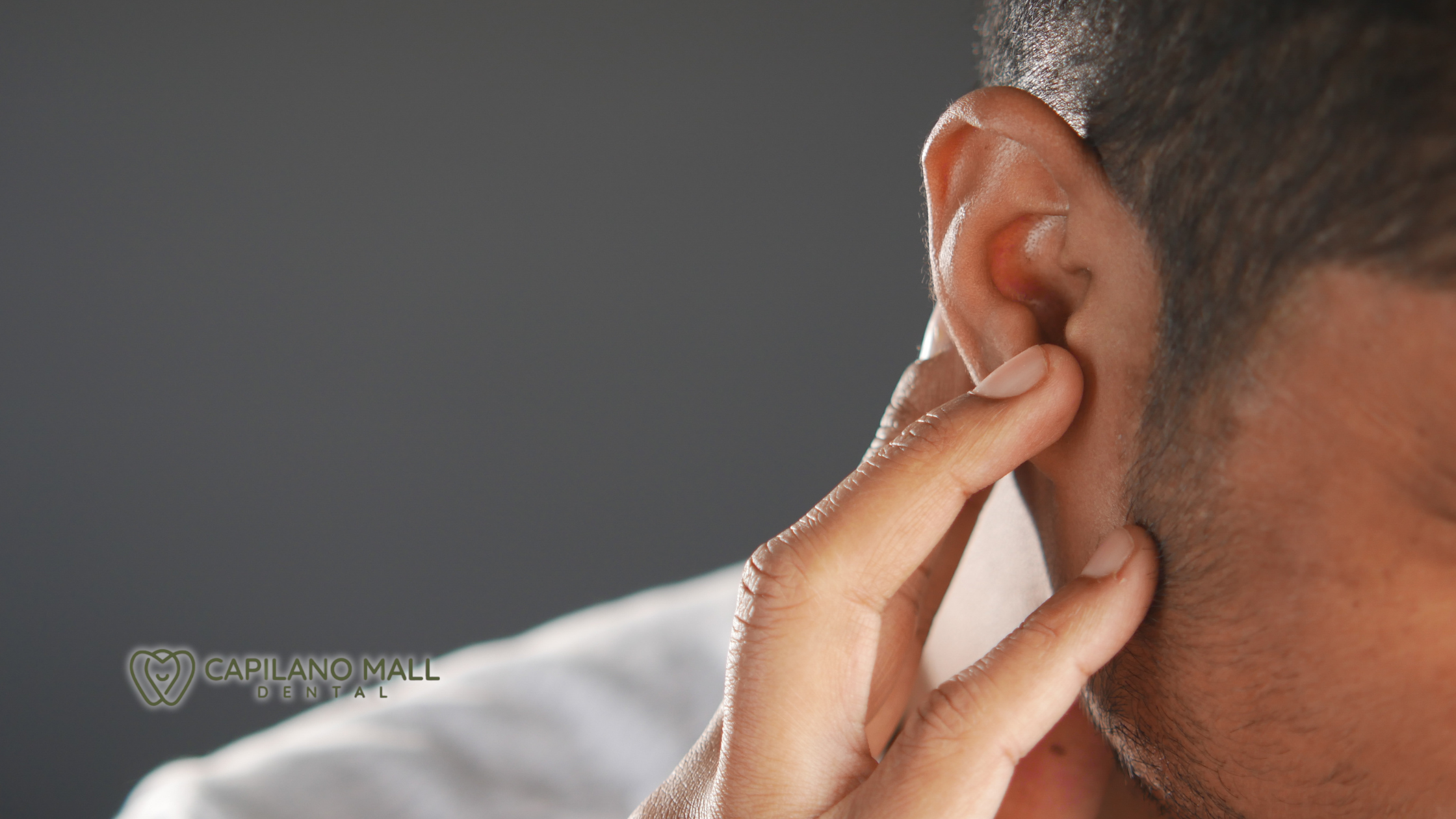
Just when you thought your ear fullness might be an isolated issue, you may find that it could be connected to a condition known as Temporomandibular Disorder (TMD). If you’ve been experiencing persistent fullness in your ears, it’s important to understand how the jaw and ear can influence one another.
This blog post will explore the relationship between TMD and ear fullness, shedding light on symptoms, potential causes, and the available management options to help alleviate your discomfort. Understanding this connection can lead you toward more effective solutions for your ear-related issues.
Key Takeaways
- TMD can cause ear fullness due to the close connection between the jaw joint and ear structures.
- Symptoms like ear pain, fullness, and ringing may signal underlying TMJ dysfunction.
- Proper diagnosis and treatment of TMD can relieve associated ear symptoms effectively.
The Physiological Connection Between TMD and Ear Fullness
The intimate relationship between temporomandibular disorders (TMD) and ear fullness stems from shared anatomical structures and overlapping nerve pathways. When the jaw joint, known as the temporomandibular joint (TMJ), experiences dysfunction, it can create pressure variations not only locally but also within the middle ear.
This connection often results in sensations of fullness or blockage that can significantly impact your quality of life.
Anatomy of the Jaw and Ear Relations
The jaw and ear are intricately interconnected through both anatomical proximity and functional relationships. The TMJ is located just in front of the ear canal, and the surrounding muscles, ligaments, and nerves influence each other.
This closeness means that inflammation or stress in the TMJ can directly affect the eustachian tube, which regulates ear pressure. Consequently, any dysfunction in your jaw can lead to sensations of fullness or discomfort in the ear.
Mechanisms of Pressure Changes in TMD
Pressure fluctuations during TMD can result from muscle tension, joint misalignment, or inflammation. When the TMJ is affected, tightness in the surrounding muscles can inadvertently impact the eustachian tube, leading to problems in equalizing pressure between the middle ear and the external environment.
As a result, you may experience that clogged sensation, particularly during activities such as yawning or swallowing.
“Addressing TMJ dysfunction early on can help prevent persistent ear pressure and fullness, as these symptoms often arise from poor coordination between the jaw joint and surrounding structures.”
- Capilano Mall Dental Doctors in Edmonton, Alberta, Canada
In more detail, mechanical stress on the TMJ from clenching or grinding can irritate the nearby nerves and muscles. As these structures become tense, they can alter the function of the eustachian tube, preventing it from opening properly.
If the eustachian tube doesn’t equalize pressure as it should, you may feel a sense of fullness or blockage in your ears. This interplay between TMD and ear fullness highlights the necessity of addressing jaw-related issues to alleviate ear symptoms effectively, allowing for a more comprehensive patient approach to treatment and symptom relief.
Symptoms That Link TMD and Ear Fullness
The symptoms intertwining TMD and ear fullness can manifest in various ways. You may notice a sensation of pressure in the ear, often accompanied by pain or discomfort in the jaw.
This discomfort might extend to the temples, neck, or shoulders. In addition to ear fullness, you might experience clicking or popping sounds when moving your jaw, indicating a misalignment or dysfunction of the jaw joint, which can amplify your sense of fullness in the ear.
Ear Fullness: Distinguishing Causes
Identifying the cause of ear fullness is crucial for effective treatment. Factors such as allergies, sinus infections, or even stress can contribute to this feeling.
You could also be experiencing dysfunction in your Eustachian tubes, which help equalize ear pressure, potentially exacerbated by TMD. A thorough examination by a healthcare professional can help differentiate these conditions from TMD-related issues.
Common Signs of TMD Beyond Ear Symptoms
TMD symptoms encompass more than just ear fullness; they can include persistent headaches, jaw pain, and difficulty chewing. Muscle tenderness around the jaw and neck often accompanies these symptoms.
You may also feel your jaw “locking” or unable to open or close fully, reflecting the disorder’s impact on your daily life.
These common signs often present themselves alongside ear fullness, providing critical insights into the nature of your discomfort. For instance, a study found that more than 70% of individuals with TMD report experiencing headaches and jaw tension, demonstrating how intertwined these symptoms can be.
Recognizing these indicators helps you take proactive steps towards seeking the appropriate care and managing TMD effectively.
Diagnosing the Overlap: TMD and Ear Issues
Identifying the intersection of TMD and ear problems requires a meticulous approach. Your healthcare provider likely will begin with a comprehensive evaluation of your symptoms, lifestyle, and medical history, focusing on any facial discomfort, jaw movement limitations, and ear fullness sensations.
This process ensures a thorough understanding of your condition, paving the way for effective management strategies.
Diagnostic Techniques for TMD
Various diagnostic techniques for TMD include physical examinations, imaging studies such as X-rays or MRIs, and functional assessments of jaw movement. As these evaluations help pinpoint TMD-related issues, understanding your specific symptoms and how they interact with ear fullness can enhance the accuracy of your diagnosis.
Investigating Ear Fullness Symptoms
Your provider will examine your ear fullness symptoms by assessing potential underlying factors like eustachian tube dysfunction and sinus congestion. Integrating these assessments with an evaluation for TMD can reveal a nuanced understanding of your overall condition, linking symptoms across both areas.
To investigate ear fullness symptoms further, specialized tests, including audiometric evaluations and tympanometry, may be conducted to gauge eardrum function and measure middle ear pressure. These tests inform your provider whether your ear fullness is related to a mechanical issue with the eustachian tubes or secondary to jaw joint dysfunction.
Ultimately, correlating these findings with TMD symptoms helps tailor a treatment plan directed at both the ear and jaw, ensuring comprehensive care for your condition.
Treatment Pathways for TMD and Ear Fullness Relief
A multifaceted approach to treating TMD and the associated ear fullness can provide significant relief. Treatment often entails a combination of therapies that address both the jaw dysfunction and its effects on auditory symptoms.
By tailoring your treatment plan to target these interconnected issues, you can improve overall outcomes and enhance your quality of life.
Non-Invasive Therapies for TMD
Non-invasive therapies serve as the first line of defense in TMD treatment. Techniques like physical therapy, oral splints, and biofeedback can help alleviate muscle tension and improve jaw alignment.
Many patients find relief through customized mouthguards that prevent grinding and clenching, thereby reducing stress on both the jaw joint and surrounding structures.
Integrative Approaches to Ear Fullness
Incorporating integrative approaches may help treat ailments including ear infections linked to TMD. Such strategies may include acupuncture, chiropractic adjustments, and nutritional counseling, focusing on holistic healing methods that reduce inflammation and promote relaxation.
Acupuncture has shown promise in relieving TMD-related ear fullness by targeting specific points that alleviate discomfort and restore nerve function. Chiropractic care can assist in realigning the jaw and neck, leading to improved ear drainage and pressure relief.
Additionally, dietary changes aimed at reducing inflammation, such as increasing omega-3 fatty acids, can complement these treatments, fostering a more comprehensive healing process. Always consult with healthcare professionals when creating your integrative treatment plan to ensure efficacy and safety.
Insights from Specialists: Expert Opinions on the Link
Understanding the connection between TMD and ear fullness requires insights from various specialists in the field. Dentists, particularly those specializing in jaw disorders, frequently observe that TMD can indeed contribute to sensations of ear fullness due to the intricate relationship between jaw muscles and the auditory system.
Audiologists, on the other hand, emphasize the need for comprehensive evaluations to rule out other ear-related issues, reinforcing the idea that proper diagnosis involves an interdisciplinary approach.
Perspectives from Dentists and Audiologists
Dentists often highlight that patients with TMD may exhibit specific symptoms such as jaw clenching or grinding, which can exacerbate ear fullness. Meanwhile, audiologists stress that they encounter cases where patients’ ear symptoms improve with treatment focused on jaw alignment.
Both specialists agree that cooperation between dental and auditory professionals is vital to tailoring effective treatments for patients experiencing both jaw-related and auditory symptoms.
The Role of Patient History in Treatment Decisions
A comprehensive patient history plays a significant role in determining the best course of action for TMD and associated ear fullness. Detailed accounts of your symptoms, including the onset, frequency, and duration, help specialists gauge the severity and potential underlying causes.
For example, a history of jaw trauma or stress-related habits could influence treatment strategies, leading to a more targeted approach. Additionally, understanding your previous experiences with treatments can assist professionals in devising a plan that builds upon what has worked or not worked for you in the past.
Summing up
To wrap up, understanding the connection between temporomandibular disorders (TMD) and ear fullness can help you identify the underlying causes of your discomfort. TMD can lead to symptoms that affect your ear, such as a sensation of fullness or pressure.
By recognizing these links, you can seek appropriate evaluation and treatment, improving your overall well-being. If you experience persistent ear fullness alongside jaw issues, consider consulting a healthcare professional to explore your options for relief.If you’re experiencing persistent ear fullness along with jaw pain or clicking, don’t suffer in silence. Visit Capilano Mall Dental in Edmonton, Alberta, Canada for a comprehensive TMD evaluation and personalized treatment plan that addresses both your jaw and ear symptoms.